Image




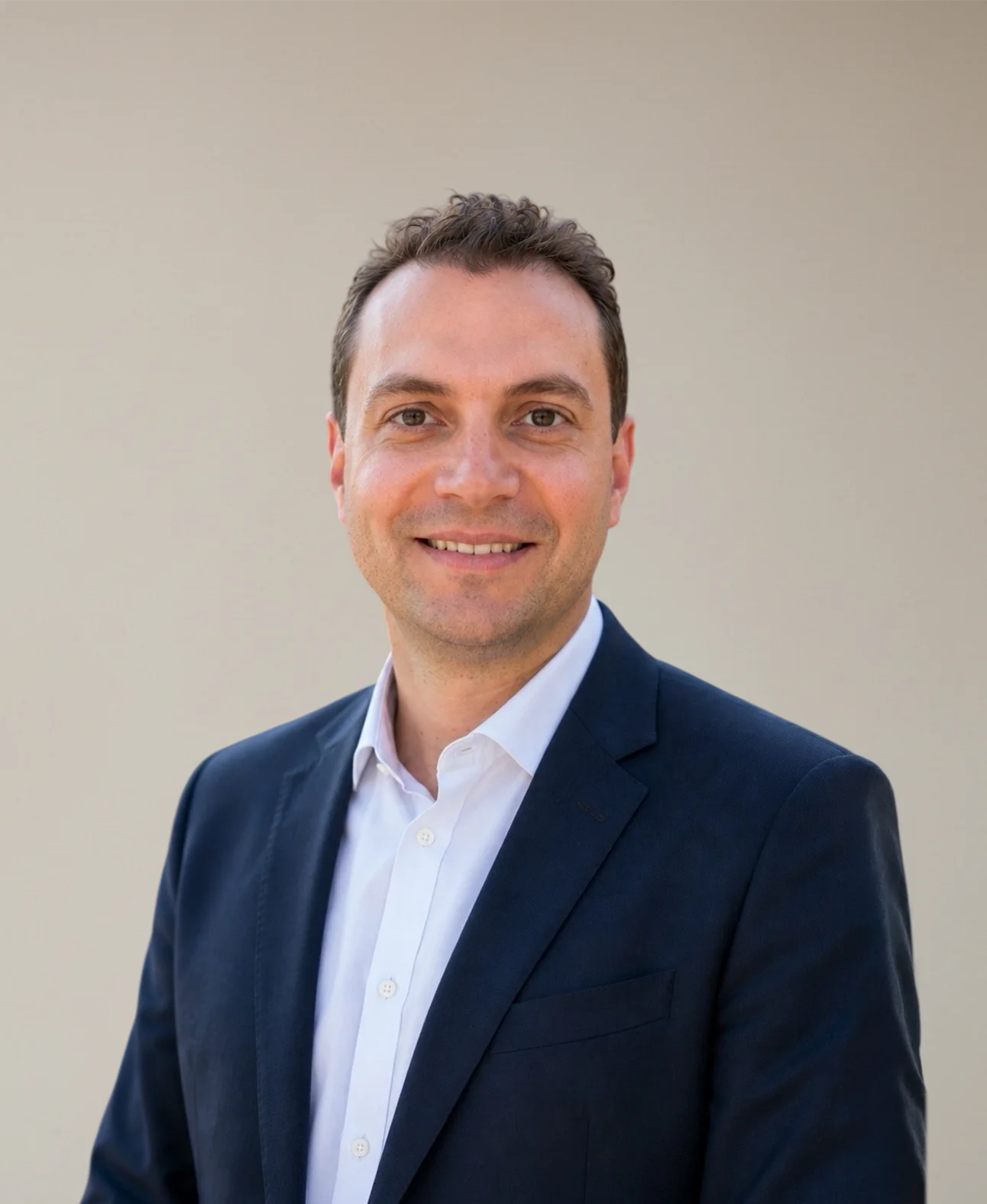
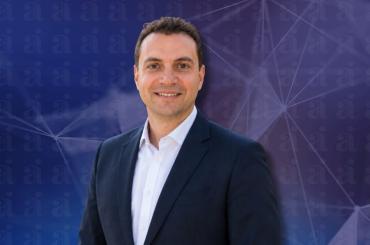
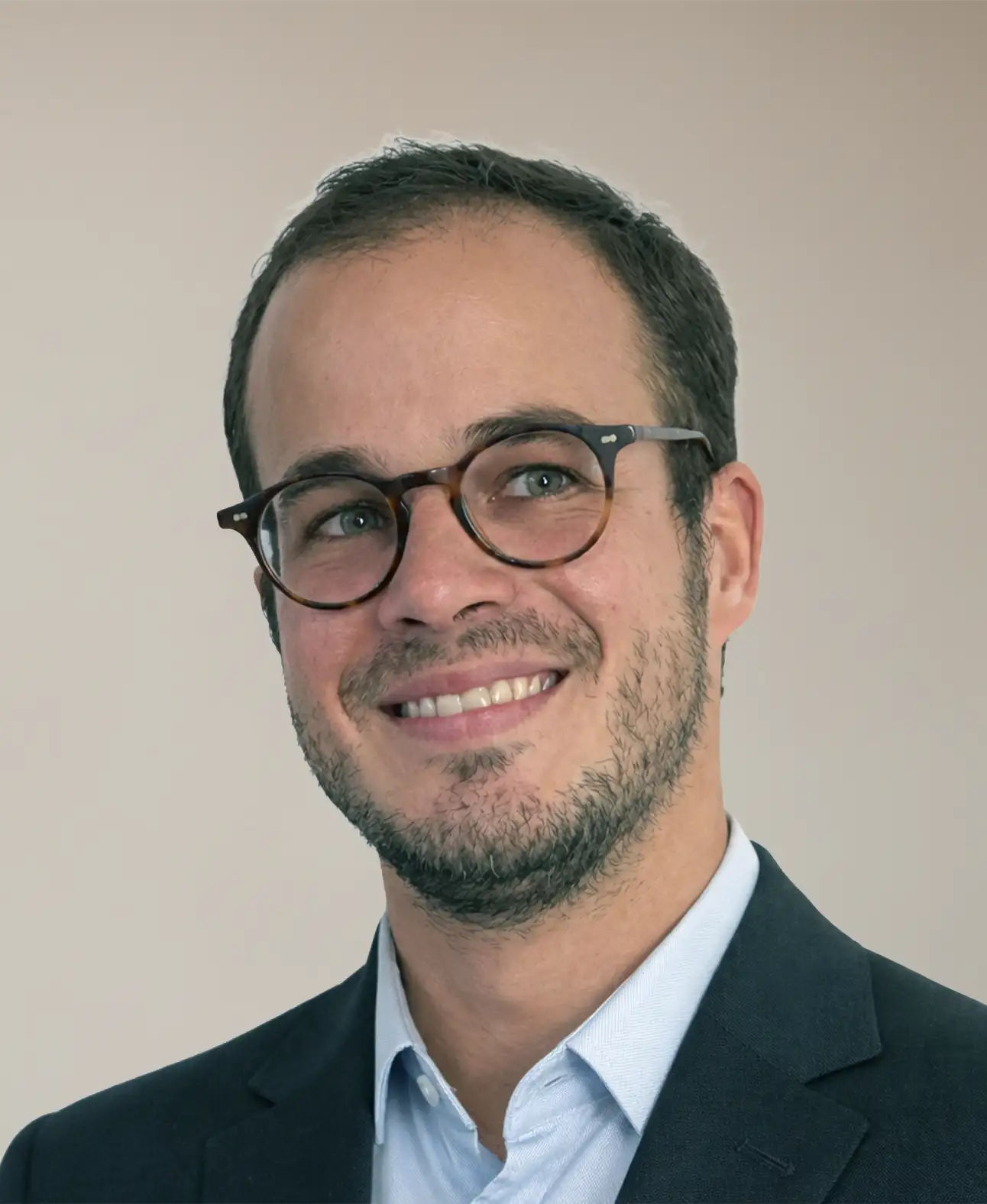
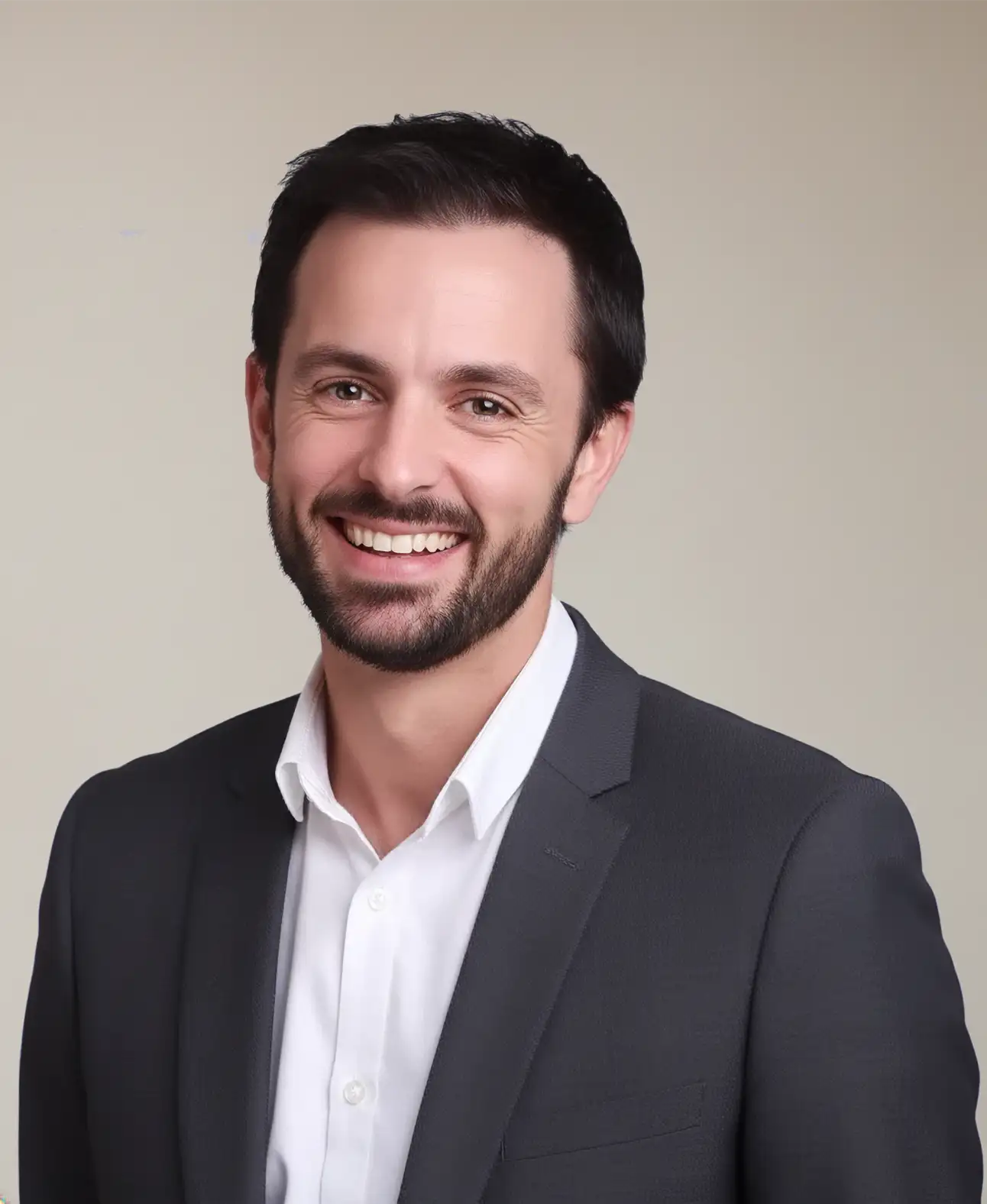
Peter Saba est devenu directeur d’aivancity Paris le 16 septembre 2026. Spécialiste des systèmes d’information, ses domaines d’expertise couvrent l’intelligence artificielle centrée sur l’humain, les technologies émergentes et le développement durable. Son parcours associe direction académique, conseil et accompagnement de dirigeants.
Avant de rejoindre aivancity, Peter Saba a occupé plusieurs fonctions de direction au sein de De Vinci Higher Education. Il a notamment été responsable du département Management, stratégie et innovation de l’EMLV Business School. Il a également exercé comme professeur associé en systèmes d’information, directeur de programme et co-responsable de l’axe de recherche consacré aux systèmes complexes, aux risques, à la science des données et à la transformation numérique au De Vinci Research Center.
Peter Saba a enseigné le management des systèmes d’information, la stratégie des technologies de l’information et l’analyse de données appliquée à la gestion, notamment à l’EDHEC Business School. Il est également intervenu dans des programmes DBA, MBA et MSc, et a dispensé des formations pour cadres dirigeants sur l’innovation et la transformation.
Son expérience en entreprise comprend des fonctions de consultant senior et de directeur de la recherche au sein d’In Extenso Innovation Croissance, entité de Deloitte France. À ce titre, il a conseillé des organisations sur leur stratégie d’innovation, leurs feuilles de route technologiques et leurs investissements en recherche et développement. En tant qu’associé d’Innocraft et de HHAS, il a accompagné des dirigeants en France et en Suisse sur la gouvernance de l’innovation, la gestion de portefeuille et le financement.
Ses recherches portent sur l’intelligence artificielle centrée sur l’humain et l’intelligence augmentée, le changement organisationnel et la durabilité numérique, avec une attention particulière aux implications concrètes des technologies émergentes pour le management. Il a publié plusieurs articles dans Information Systems Frontiers, Revue Française de Gestion, Systèmes d’Information et Management, Technological Forecasting and Social Change, Communications of the Association for Information Systems et Information Technology & People. Il est également l’auteur de chapitres d’ouvrages et de contributions professionnelles publiées notamment dans Harvard Business Review France et Forbes France.
Peter Saba a exercé les fonctions de rédacteur coordinateur pour Communications of the Association for Information Systems et de rédacteur invité pour Journal of Decision Systems et Journal of Asia Business Studies. Il est également chercheur affilié au Larequoi de l’Université Paris-Saclay et participe à l’encadrement doctoral.
Il est titulaire d’une habilitation à diriger des recherches en systèmes d’information de l’Université Paris-Saclay et d’un doctorat en systèmes d’information de l’Université de Montpellier. Il détient également un certificat en commerce et géopolitique de HEC Paris ainsi qu’un bachelor en génie électronique de l’Université Saint-Esprit de Kaslik au Liban.
| Année | Diplôme et établissement |
|---|---|
| 2026 | Habilitation à diriger des recherches en systèmes d’information, Université Paris-Saclay |
| 2017 | Doctorat en systèmes d’information, Université de Montpellier |
| 2015 | Certificat en commerce et géopolitique, HEC Paris |
| 2014 | Master en systèmes d’information de gestion, IAE Montpellier et Sup de Co Montpellier |
| 2012 | Bachelor en génie électronique, Université Saint-Esprit de Kaslik, Liban |
| Période | Organisation | Fonction |
|---|---|---|
| Depuis 2026 | aivancity Paris | Directeur |
| 2020 - 2026 | EMLV Business School et De Vinci Higher Education | Responsable de département ; professeur associé en systèmes d’information ; co-responsable d’un axe de recherche ; directeur du programme de management des systèmes d’information |
| Depuis 2023 | Larequoi, UVSQ et Université Paris-Saclay | Chercheur affilié |
| Depuis 2019 | Innocraft et HHAS | Associé et expert du secteur des technologies de l’information et de la communication |
| 2018 - 2026 | EDHEC Business School | Professeur adjoint en systèmes d’information |
| 2014 - 2019 | In Extenso Innovation Croissance, Deloitte France | Consultant senior et directeur de la recherche |
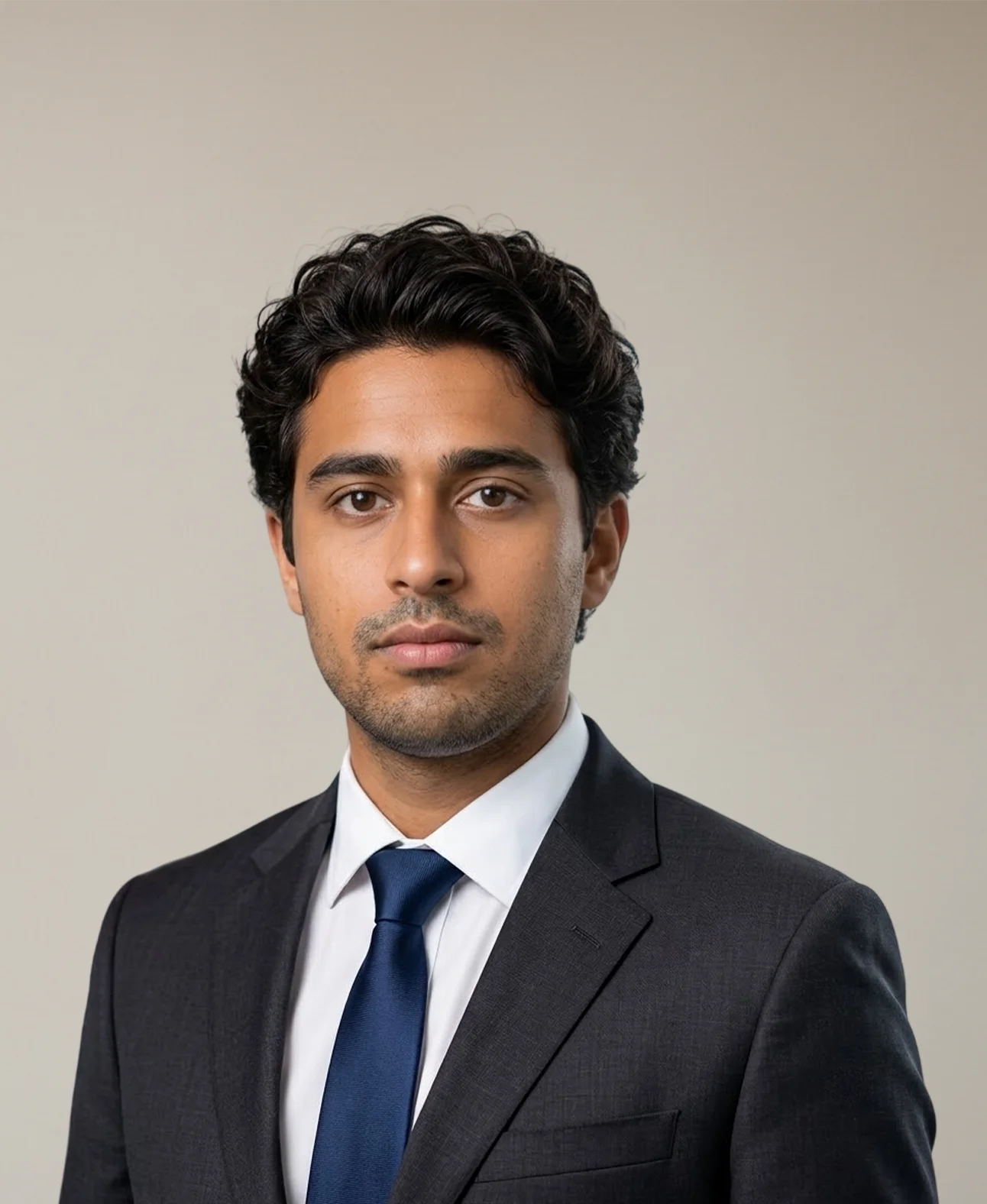
Domaine(s) d'expertise
Épistémologie de l’IA, Science des données, Ingénierie ML

Domaines d'expertise
Artificial Intelligence, IA générative et agentique

Domaine(s) d'expertise
Intelligence artificielle
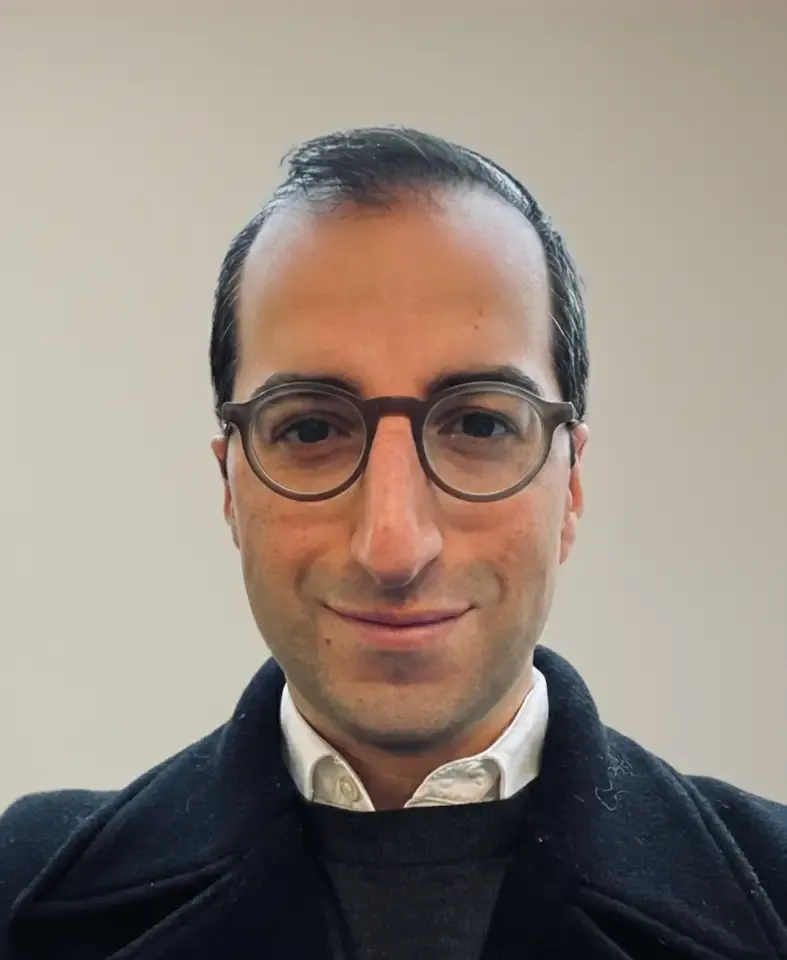
Domaine(s) d'expertise
Data science
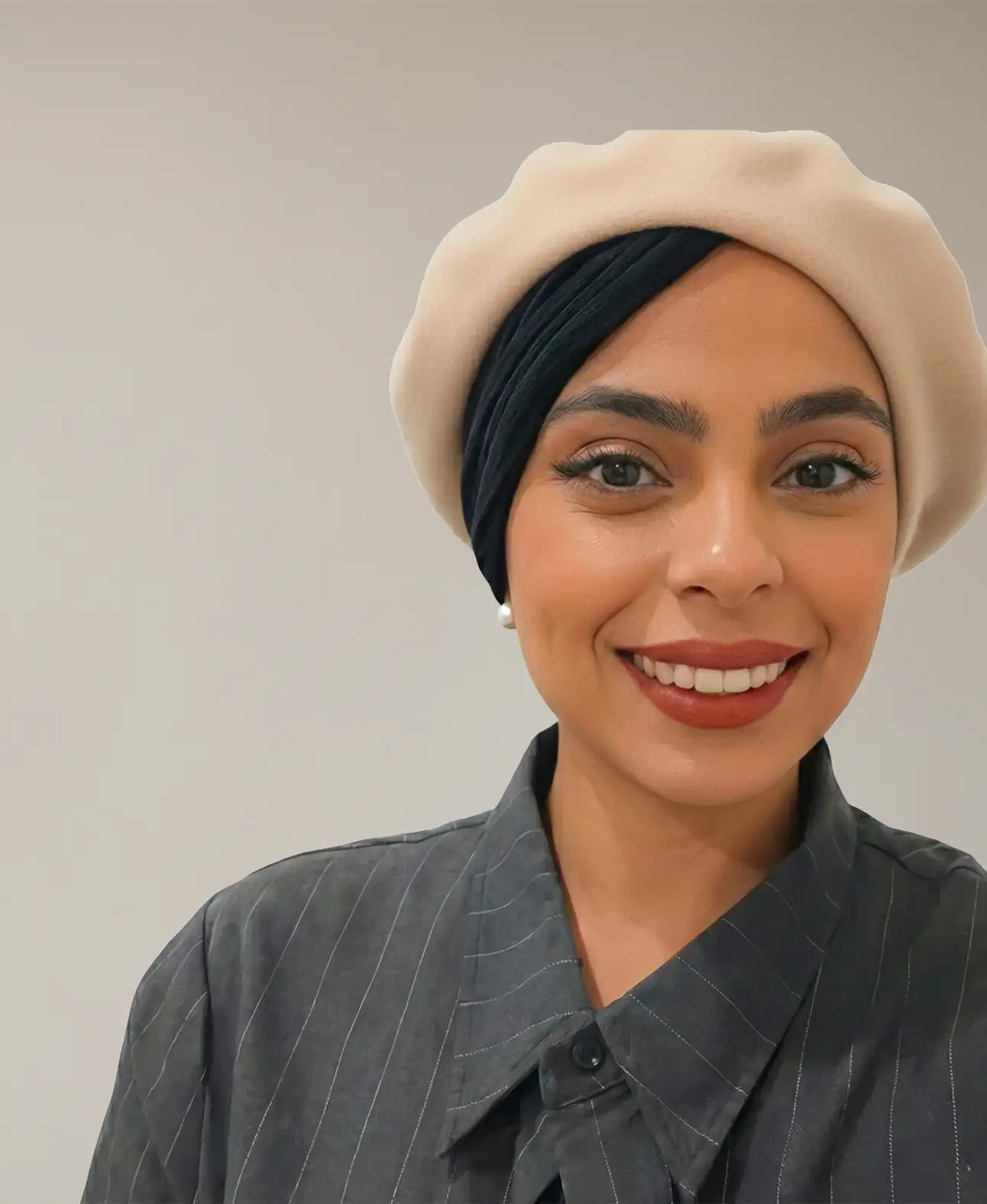
Domaines d'expertise
Mathématiques Appliquées, Probabilités
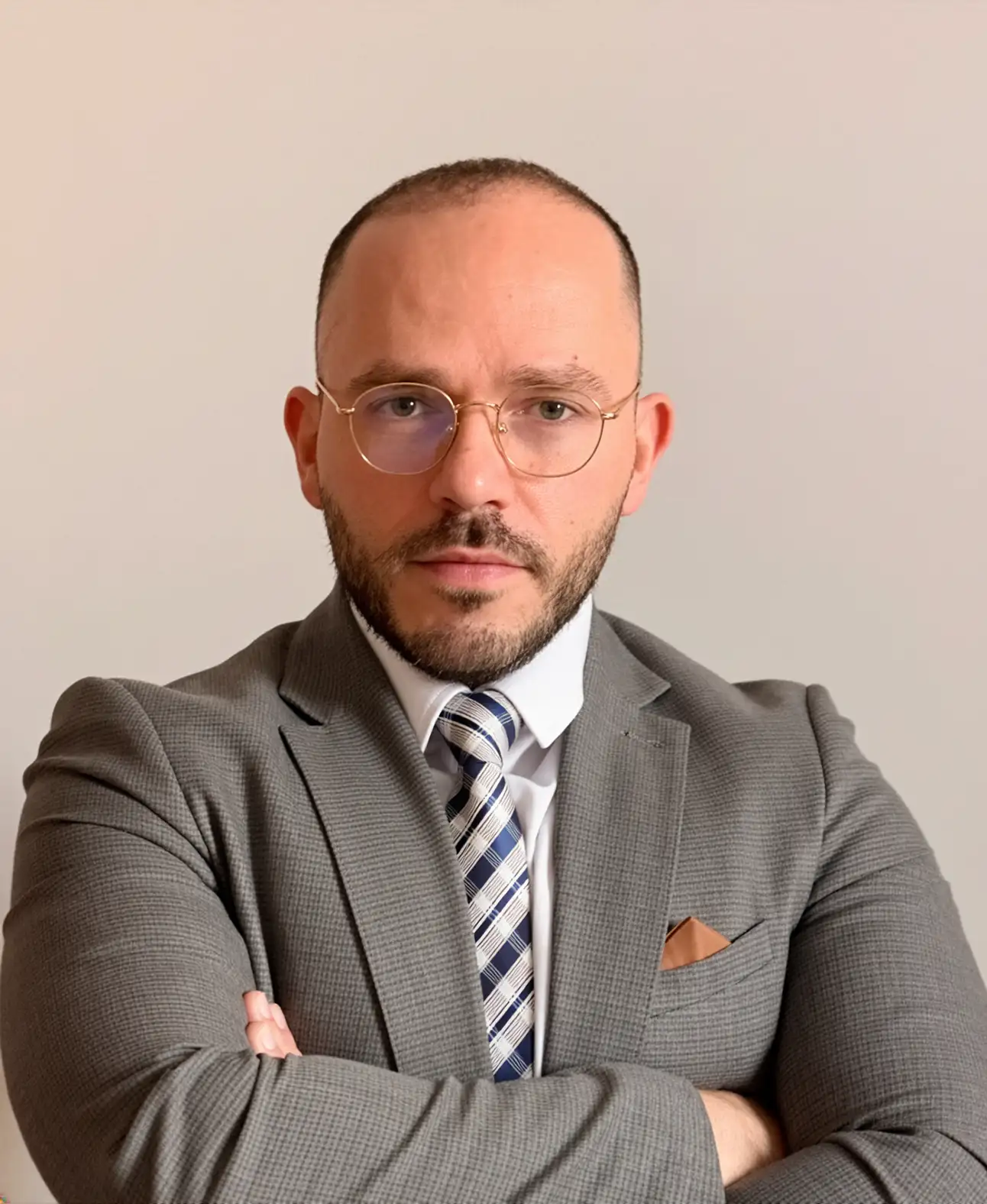
Domaine(s) d'expertise
IA générative, modèles de langage à grande échelle (LLMs), apprentissage automatique et profond, analyse du langage et des émotions, ingénierie pédagogique et innovation technologique.
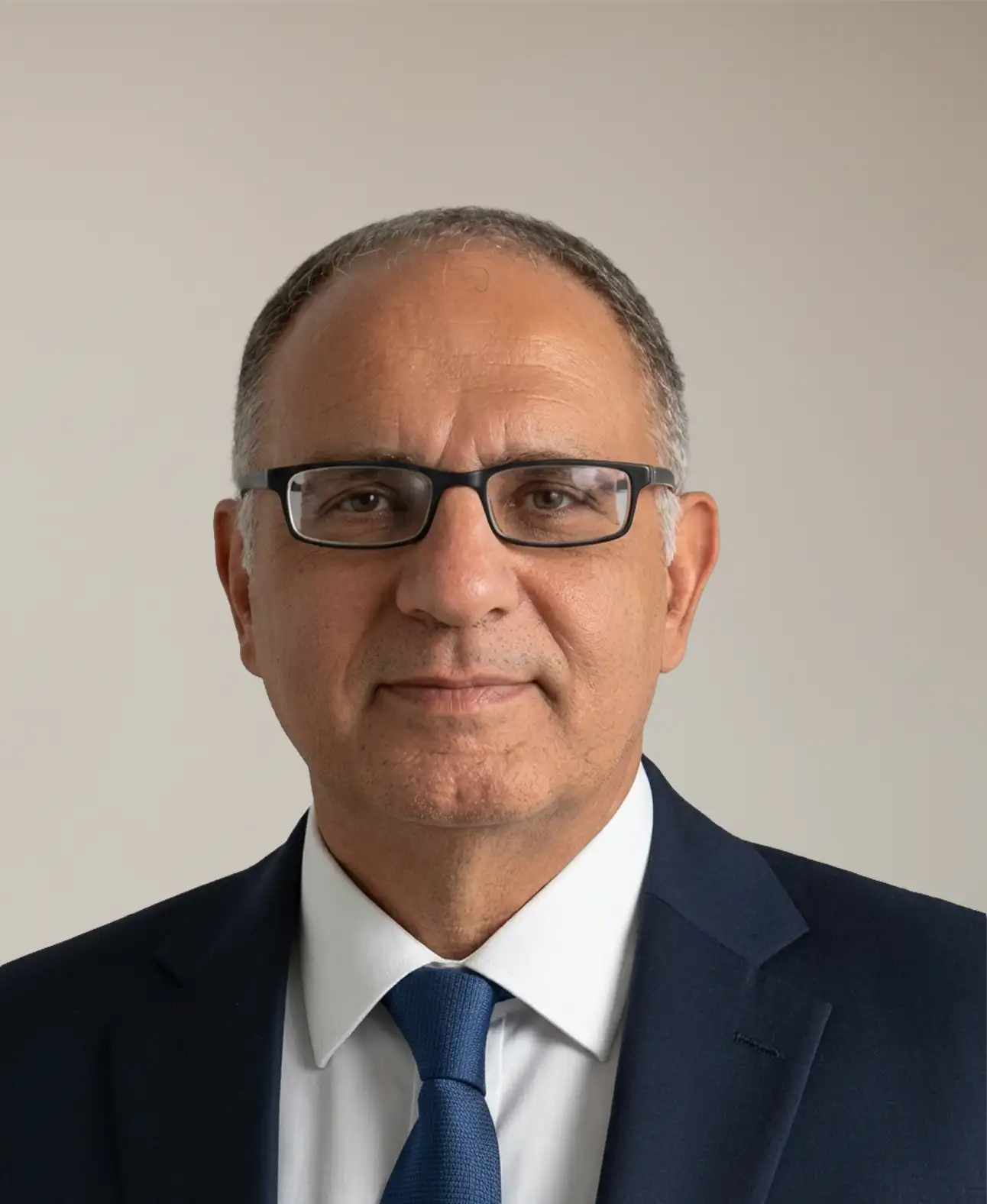
Domaines d'expertise
Artificial intelligence
Data Science
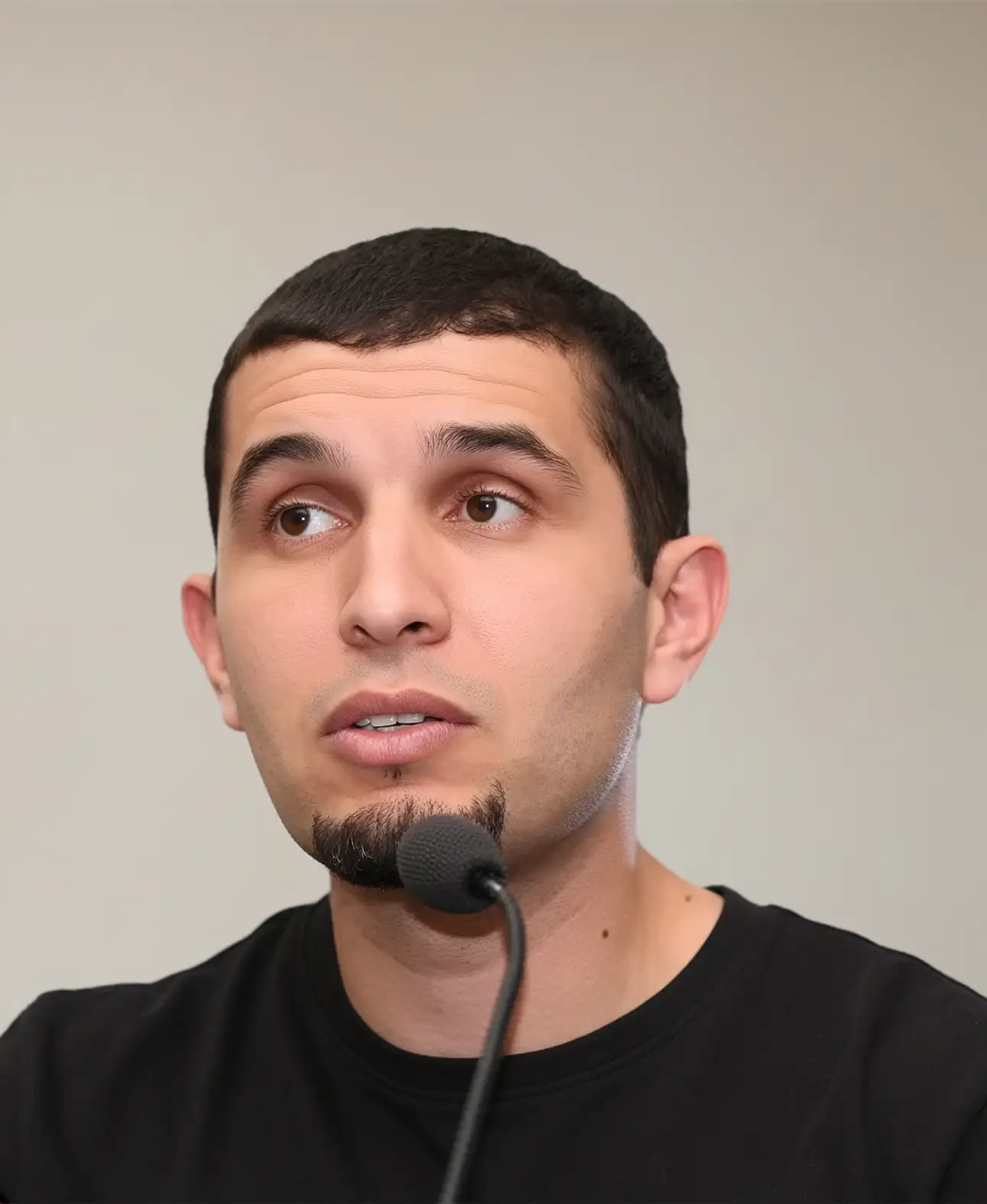
Domaine(s) d'expertise
Aspects éthique de l'intelligence artificielle, Privacy enhancing technologies, Cybersécurité
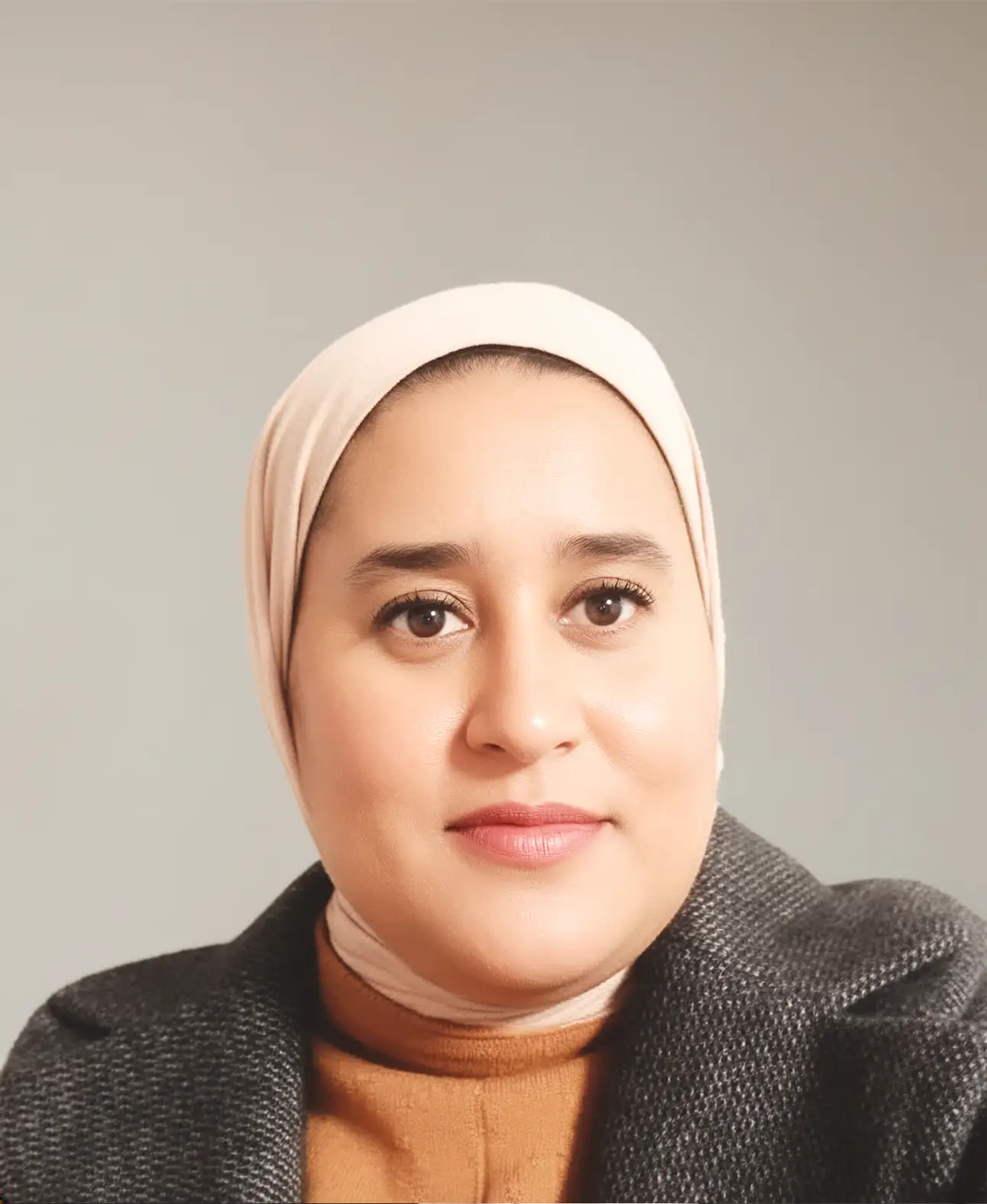
Domaine) d'expertise
Télécommunications avancées, réseaux informatiques, Détection d’intrusion et cybersécurité, Intelligence artificielle appliquée
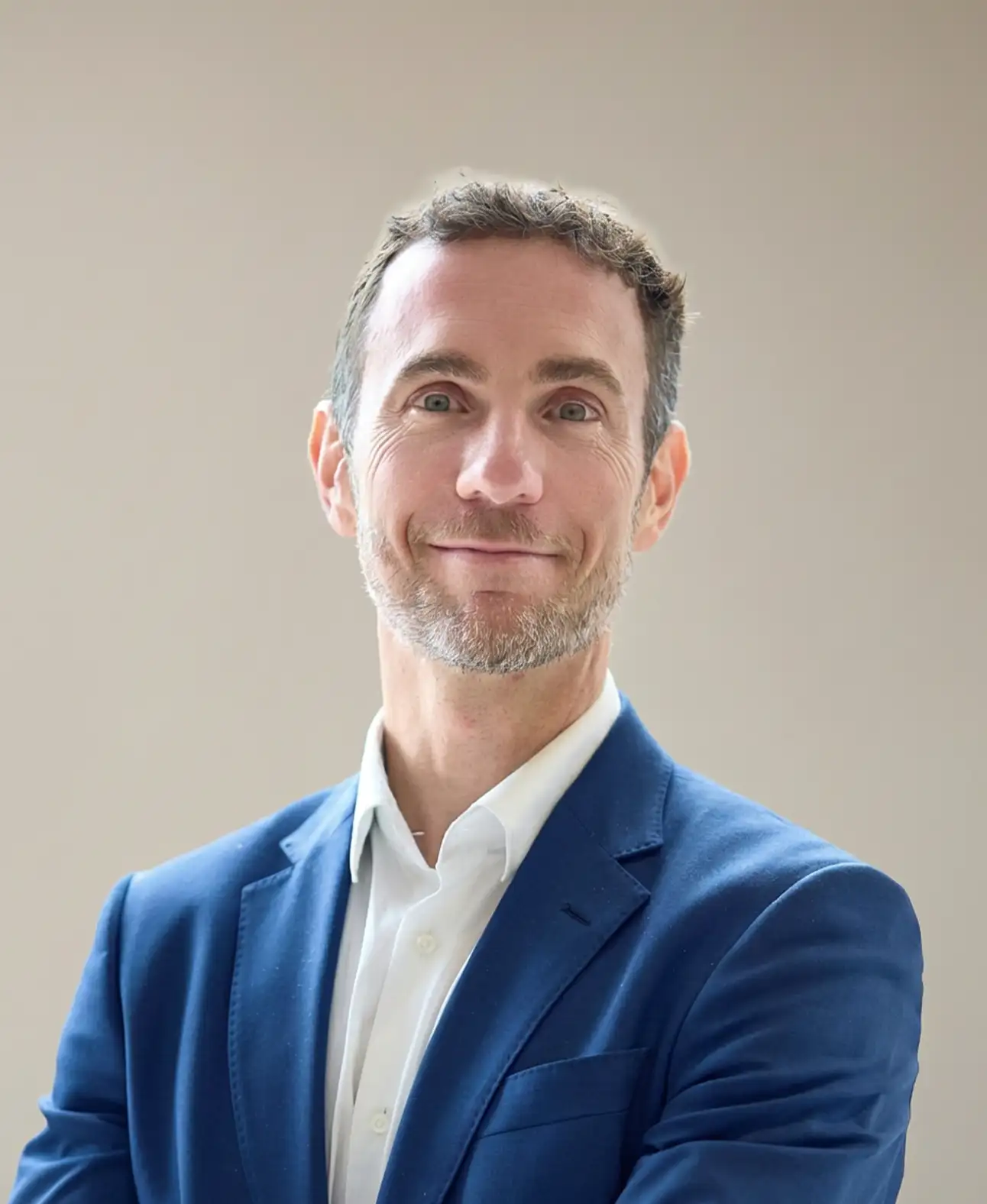
Domaine(s) d'expertise
Stratégie, Leadership et Management, Gestion des ressources humaines, Pilotage et développement, Performance organisationnelle, Relations institutionnelles
Domaine(s) d'expertise
Data Science, Machine Learning, Deep Learning

Domaine(s) d'expertise
Artificial Intelligence
Domaine(s) d'expertise
Data science, Artificial Intelligence, Innovation Leadership, Natural Language Processing, IT System Engineering, Management, Consultancy, Personal Coaching

Domaine(s) d'expertise
Intelligence Artificielle, Natural Language Generation (NLG), Chatbots open-source brevets édition de logiciels coaching

Domaine(s) d'expertise
AI Coding, Gestion de projets, Machine Learning, Conduite du changement, Communication
Domaine(s) d'expertise
IA et Culture, Art, Intelligence Artificielle

Domaine(s) d'expertise
Analyse de données RH, contrôle de gestion

Domaine(s) d'expertise
Anglais
Domaine(s) d'expertise
Management, Finance d'entreprise, Gouvernance
Domaine(s) d'expertise
Data Science et IA
Domaine(s) d'expertise
Changement climatique, économie circulaire, ESG, Data & IA, CSR, Développement durable, GreenIA
Domaine(s) d'expertise
data science, intelligence artificielle, Systèmes Intelligents et Robotique

Domaine(s) d'expertise
Systèmes et algorithmes distribués, gestion de données, cohérences des données, données autonomes, systèmes multi-agents, apprentissage fédéré
Domaine(s) d'expertise
AI & Deep learning, Machine Learning, IoT, Réseaux de Neurones, Management de projets IA
Domaine(s) d'expertise
IA, Transformation, Digital, Innovation, Data
Domaine(s) d'expertise
Intelligence artificielle, Ethique, Philosophie, Data science, Statistiques et Machine Learning

Domaine(s) d'expertise
Informatique, traitement automatique, apprentissage automatique

Domaine(s) d'expertise
Journalisme, Médias
Domaine(s) d'expertise
Droit, IA, Technologies, Données
Domaine(s) d'expertise
Management fonctionnel et technique, architecture fonctionnelle, Intelligence artificielle, BigData et data science

Domaine(s) d'expertise
Droit de l’IA, Protection des données, Droit des contrats, Droit européen, Droit durable, Finance durable, Droit civil, Droit des assurances, Arbitrage

Domaine(s) d'expertise
Artificial intelligence, robotique, Machine Learning, Deep Learning
Domaine(s) d'expertise
Data science
Domaine d'expertise
Informatique

Domaines d'expertise
AI, Générative AI, Direction de projets AI, Deep Learning, Machine Learning, Time Series
Domaine(s) d'expertise
IA, Machine Learning
Domaine(s) d'expertise
Intelligence Artificielle et Big Data
Domaine(s) d'expertise
Machine Learning, Deep Learning, Traitement de signal, Computer Vision
Domaine(s) d'expertise
Gestion de programmes de transformation, Gestion de projets informatiques, Conduite du changement, Management d’équipes internationales et multiculturelles

Domaines d'expertise
Analyse de cycle de vie, Impacts environnementaux du numérique et IoT
Domaine(s) d'expertise
IA et blockchain, data science, DataOps...

Domaine(s) d'expertise
Intelligence artificielle, ressources humaines, gestion du changement, santé au travail
Domaine(s) d'expertise
Machine learning, Maths, Computer Science, Philosophy of science, AI, Data science, Reinforcement Learning, Formal verification
Domaine(s) d'expertise
Gestion de projets en IA - Stratégie et Innovation

Domaine(s) d'expertise
IA, Gestion de projets, Risques financiers, Marchés de capitaux
Domaines d'expertise
Artificial intelligence, Machine Learning, Deep Learning
Domaines d'expertise
Management, Contrôle de gestion, communication et changements organisationnels, Contrôle informel et contrôle panoptique, Gouvernance et Performance organisationnelle

Domaine(s) d'expertise
IA et Arts, Entrepreneuriat

Domaines d'expertise
Machine Learning, Natural Language
Domaine(s) d'expertise
Gestion des ressources humaines, Ressources humaines, Direction de BU
Domaine(s) d'expertise
Data science, Big Data
Domaine(s) d'expertise
Ethique de l’IA, Équité, vie privée, causalité, apprentissage automatique

Domaine(s) d'expertise
Informatique, Blockchain, IoT, cybersécurité
Domaine(s) d'expertise
Sociologie des sciences

Domaine(s) d'expertise
Informatique, Entrepreneuriat, Agile, Design thinking
Domaine(s) d'expertise
Gouvernance des systèmes d’IA, responsabilité algorithmique, droit des technologies
Domaine(s) d'expertise
Artificial Intelligence, Mobile Cognitive Systems, Data Analytics, Business Intelligence
Domaines d'expertise
Data Science, Data Mining, Machine Learning, Artificial Intelligence, The Internet of Things, Computer Networks
Domaine(s) d'expertise
Biotechnology, Artificial intelligence, Data Science
Domaines de spécialisation
Computer Vision, IA
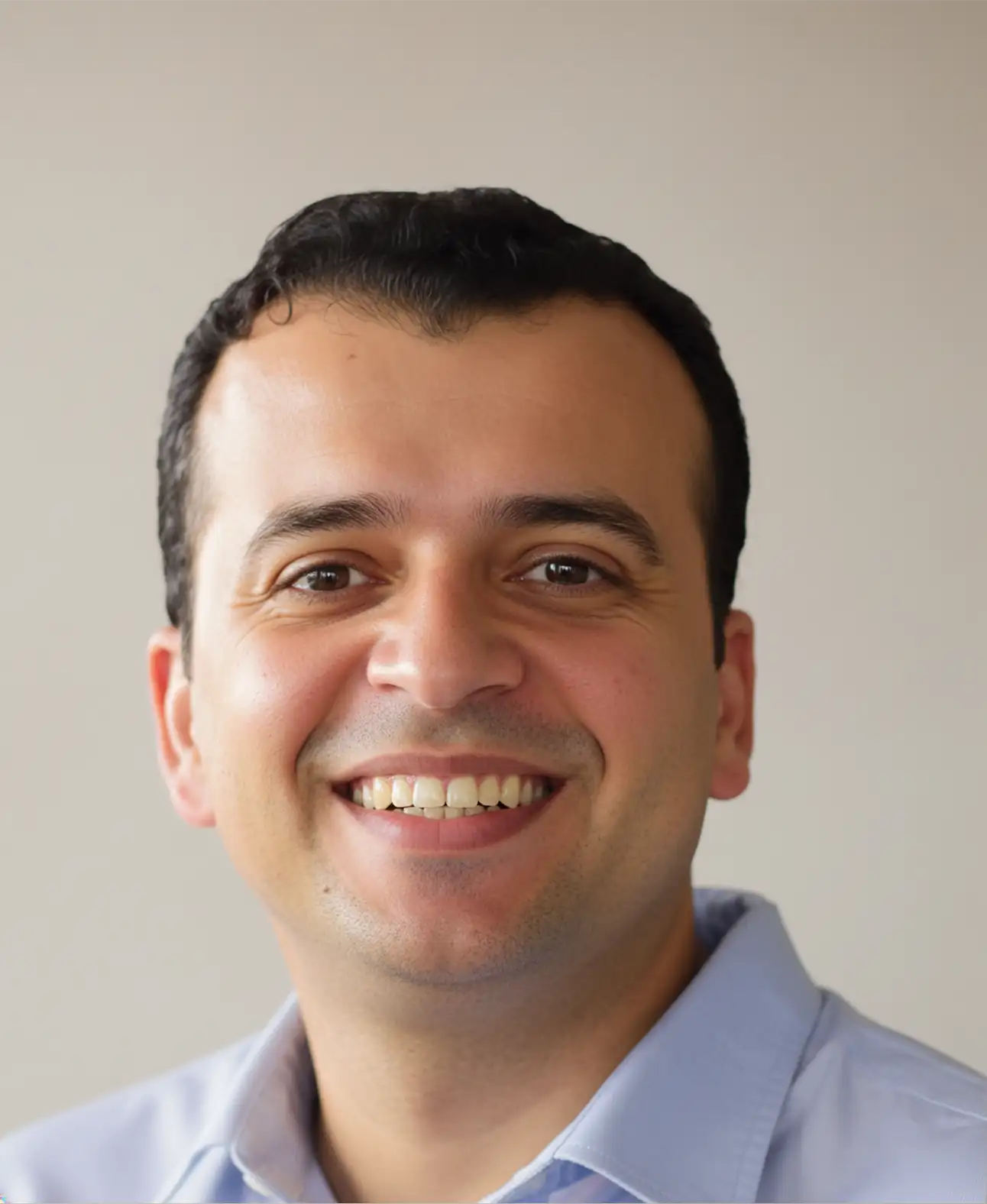
Domaine(s) d'expertise
IoT, réseaux, évaluation de performance, apprentissage automatique, smart cities
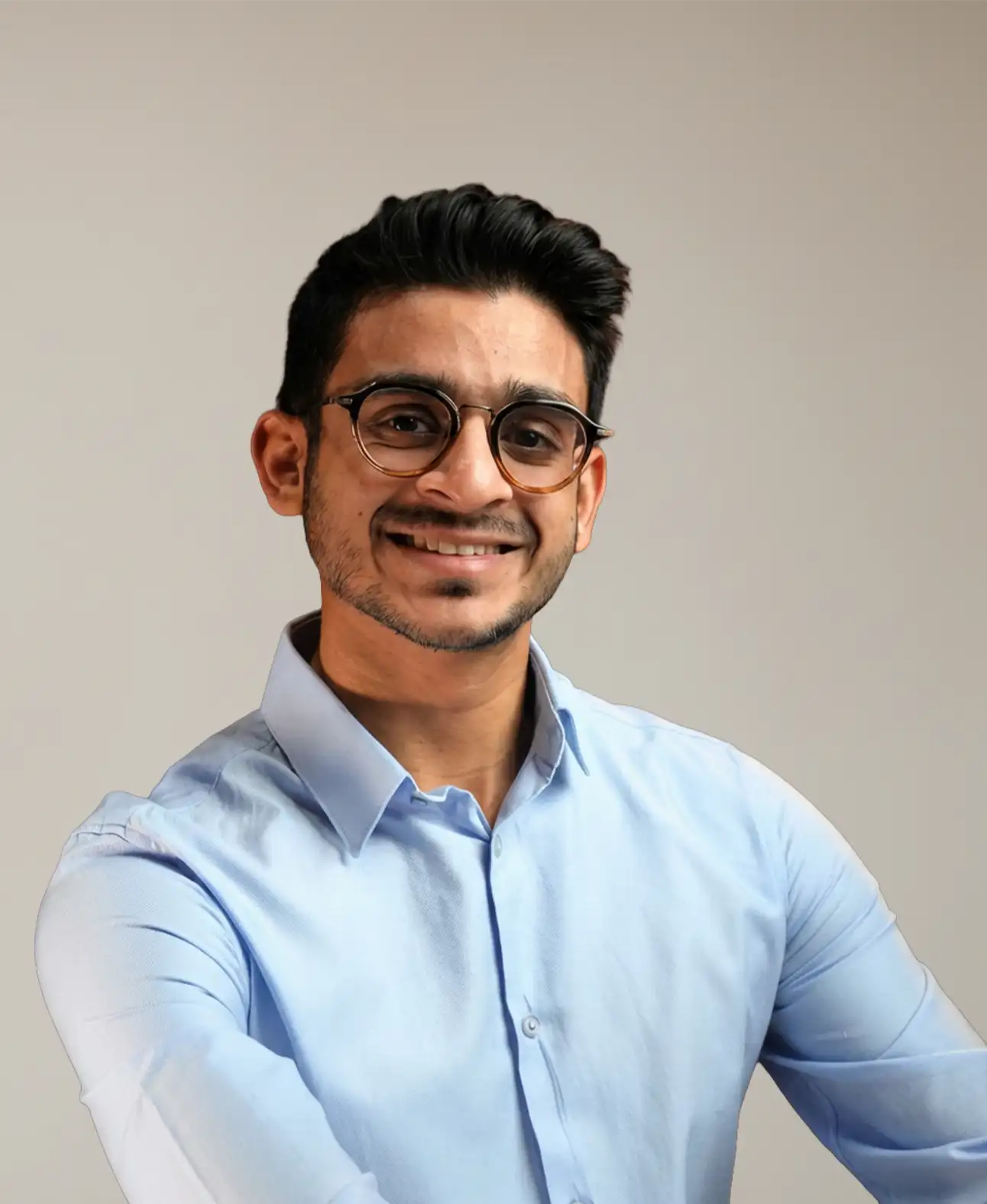
Domaine(s) d'expertise
Robotique et IA générative