
For a long time, the auditing profession was structured around a fundamental mission: verifying the reliability of the financial, operational, or regulatory information produced by organizations. The work relied on rigorous methodological expertise, the analysis of data samples, the review of documents, and the implementation of standardized control procedures. Audits relied primarily on manual checks, targeted tests, and retrospective analyses based on relatively limited volumes of data.
But this approach is now reaching its limits in the face of the digital transformation of businesses and the explosion of available data. With the digitization of processes, the proliferation of transactions, the widespread adoption of the cloud, and the automation of activities, organizations are now generating unprecedented volumes of information. Auditors must analyze increasingly complex data streams originating from heterogeneous systems and sometimes changing in real time. According to IDC, the global volume of data is expected to exceed 175 zettabytes by 2025, illustrating the scale of the challenges associated with leveraging this data1.
At the same time, expectations regarding auditing are changing. Companies, investors, and regulators are no longer looking solely for confirmation of compliance. They also expect the ability to quickly detect anomalies, identify emerging risks, and provide more predictive analyses. This shift is leading auditors to operate in environments where the speed of analysis is becoming just as important as the accuracy of controls.
The figures illustrate this structural transformation:
- Companies generate ever-increasing volumes of financial, operational, and transactional data, which is often impossible to analyze manually in its entirety.
- The risks associated with fraud, compliance errors, and internal control failures are becoming harder to detect in increasingly complex systems.
- Regulatory requirements underscore the need for more frequent, better-documented, and more transparent audits.
In light of these developments, a paradigm shift is necessary. Auditing can no longer rely solely on ad hoc checks and sample-based analyses. It is evolving to become continuous, predictive, and data-driven. Artificial intelligence is gradually emerging as a key tool for analyzing massive volumes of information, identifying atypical patterns, and enhancing risk detection.
The profession is thus entering a new phase of transformation. Auditors are no longer limited to verifying documents or reviewing procedures. They are becoming key players in organizational governance, in which intelligent systems actively contribute to the analysis, monitoring, and improvement of control mechanisms.
The rise of data-driven environments is profoundly transforming the methods, skills, and tools used by auditors.

How AI Is Transforming Auditing Practices
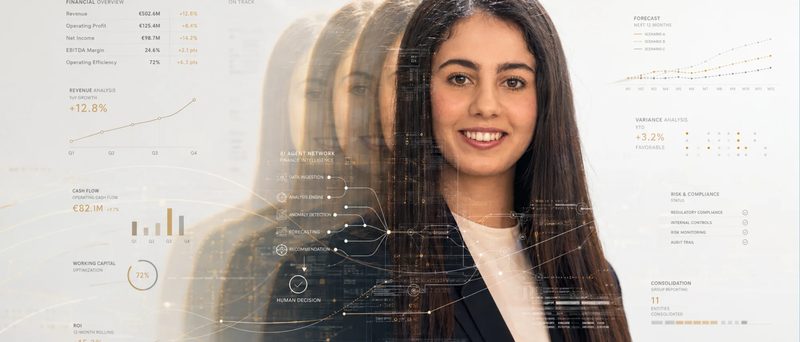
Artificial intelligence is not only transforming audit tools; it is fundamentally redefining the way audits are conducted, documented, and managed. Historically, an auditor’s work relied on analyzing samples, manually reviewing documents, and performing spot checks to verify the compliance and reliability of information. Digital tools existed, but they remained primarily focused on automating administrative tasks or consolidating data. With the rise of intelligent systems, analytical platforms, and massive volumes of available information, a growing portion of these activities is now automated, augmented, and driven by data. Auditors are thus operating in an environment where systems can analyze millions of transactions, detect anomalies invisible to the human eye, and identify risks in real time, profoundly transforming professional practices.
This trend is evident at several key stages of the audit process.
- Automated anomaly detection: Traditional approaches relied on sampling-based controls that could miss certain irregularities. AI now makes it possible to analyze all available data to identify atypical transactions, accounting inconsistencies, or unusual behavior. According to Deloitte, advanced analytics tools can significantly improve anomaly detection capabilities in audit processes2.
- Continuous risk analysis: Intelligent systems can continuously monitor financial, operational, or regulatory flows. They identify emerging risk areas and alert auditors even before a problem arises. This approach is gradually transforming periodic audits into continuous audits.
- Automation of Document Reviews: Contracts, invoices, financial reports, compliance documents—generative AI and natural language processing enable the rapid analysis of large volumes of documents. This allows auditors to devote more time to interpreting results and assessing risks.
- Strengthening the Fight Against Fraud: Machine learning algorithms can identify complex fraud patterns based on unusual transactional behavior. They detect weak signals that would be difficult to spot through traditional manual analysis.
- Improved Regulatory Compliance: Intelligent systems can automatically compare an organization’s practices with current regulatory requirements. They make it easier to track compliance obligations and reduce the risk of errors or omissions.
- Generating predictive analytics: Beyond analyzing past data, AI makes it possible to anticipate certain future risks. By analyzing historical trends and contextual variables, it helps auditors identify potential vulnerabilities and focus their efforts on the most sensitive areas.
These changes are fundamentally transforming the nature of the profession. Auditors are no longer limited to verifying documents or reviewing transactions after the fact. They must now interact with intelligent systems, interpret complex analyses, and leverage unprecedented volumes of data to guide their work. Auditing is thus becoming a hybrid discipline, at the intersection of internal control, data analysis, and digital technologies.
A New Role for the Auditor
The growing integration of artificial intelligence into control processes is not only transforming audit tools; it is also fundamentally redefining the auditor’s role within organizations. Long viewed as an expert responsible for verifying operational compliance and the reliability of information, the auditor is now becoming a strategic player in risk management and governance. The auditor’s role is no longer limited to reviewing documents or conducting ad hoc checks, but now involves analyzing complex data, overseeing intelligent systems, and contributing to decisions that are increasingly data-driven.
In a landscape marked by an ever-increasing flow of information, process automation, and stricter regulatory requirements, the value of an auditor now lies in their ability to interpret, structure, and contextualize the results produced by artificial intelligence systems. The challenge is no longer simply to identify an anomaly, but to understand its origin, assess its potential impact, and ensure that control mechanisms remain appropriate for a constantly evolving environment.
This trend has led to several major changes in the industry.
- Data-Driven Control Architect: The auditor designs control mechanisms that integrate data from multiple sources, including financial systems, operational tools, digital platforms, and regulatory frameworks. The auditor structures monitoring mechanisms capable of adapting to changes within the organization.
- Intelligent Audit Systems Supervisor: Advanced analytics platforms and AI-powered tools are automating an increasing portion of audit controls. The auditor helps configure these systems, monitors their operation, and ensures the relevance of the results they produce.
- Risk and Anomaly Analyst: Analyzing big data makes it possible to detect atypical behavior, control failures, or weak signals. The auditor develops enhanced analytical skills to anticipate financial, operational, or regulatory risks.
- A Key Player in Governance and Compliance: The integration of AI into audit processes heightens compliance challenges. The auditor ensures compliance with regulations, professional standards, and internal policies, while guaranteeing the traceability of decisions.
- Ensuring the Reliability of Automated Systems: Recommendations generated by algorithms must be verified and put into context. The auditor plays a critical role in assessing data quality, detecting potential biases, and validating analytical mechanisms.
- Bridge between management, business units, and technology: The auditor translates complex analyses into recommendations that decision-makers can understand. He or she facilitates dialogue among operational teams, finance departments, data experts, and compliance officers.
According to a PwC analysis, the audit and risk management professions are expected to undergo a profound transformation driven by artificial intelligence and the automation of controls, with a growing emphasis on skills related to data, advanced analytics, and digital systems governance3.
As a result, the auditor of tomorrow will no longer be merely a controller or an examiner. He or she will become a key player in organizational governance, capable of orchestrating intelligent systems, leveraging massive volumes of data, and ensuring a balance between performance, compliance, and risk management.
What Skills Do Auditors Need in the Age of Generative AI?
The fundamentals of the auditing profession—mastery of auditing standards, an understanding of financial mechanisms, and the ability to assess risks and verify organizational compliance—remain the indispensable foundation of the profession. Methodological rigor, critical thinking, and the ability to verify the reliability of information remain at the heart of the practice. However, the rise of artificial intelligence, the widespread adoption of data-driven environments, and the increasing automation of processes are significantly broadening the scope of skills expected. Auditors must no longer simply review documents and verify procedures; they must understand intelligent systems, analyze massive volumes of data, and adopt a continuous monitoring approach.
This transformation is redefining training, professional conduct, and the culture of the profession.
Technical and digital skills
- Understanding Artificial Intelligence Systems Applied to Auditing: Auditors must have a thorough understanding of the machine learning principles used for anomaly detection, risk analysis, and the identification of atypical behavior. They must also understand the limitations of these models and the conditions under which they should be used.
- Leveraging Data on a Large Scale: Access to growing volumes of financial, operational, and regulatory data requires skills in data analysis and interpretation. Auditors are becoming advanced users of analytics platforms and visualization tools.
- Mastering Automated Audit Tools: Software with built-in AI capabilities allows for the automation of some controls and document analysis. Using this software requires technical skills to configure, monitor, and interpret the results.
- Understanding Cybersecurity and Data Governance Issues: Audit systems rely on sensitive data. Auditors must be aware of the risks associated with data protection, data quality, and data traceability.
According to a KPMG study, audit firms and audit departments are increasingly investing in artificial intelligence technologies to improve the quality of audits and the efficiency of engagements4.
Analytical and decision-making skills
The audit environment is becoming increasingly complex and data-driven.
- Maintain a critical mindset when dealing with automated analyses: AI systems can identify anomalies or generate recommendations, but they are no substitute for professional judgment. The auditor must be able to validate, qualify, or challenge the results obtained.
- Analyzing Complex Risks: Organizations operate in increasingly sophisticated regulatory, financial, and technological environments. Auditors must be able to connect the dots to identify emerging risks.
- Making Decisions in an Uncertain Environment: Data may be incomplete or contradictory. The auditor must make judgments while taking into account the potential impacts on the organization’s compliance, governance, and performance.
Ethical, Legal, and Regulatory Competencies
The integration of artificial intelligence into control processes raises significant issues regarding liability and compliance.
- Understanding the applicable regulatory frameworks: The auditor must have a thorough understanding of the requirements related to data protection, digital systems governance, and sector-specific regulations.
- Ensuring Transparency in Analyses: The use of algorithms in audit processes requires the ability to explain the conclusions reached and the methods used.
- Ensuring the Responsible Use of Technology: The auditor must ensure that automated systems do not create biases that could affect the quality or fairness of the controls.
Interdisciplinary and strategic skills
The profession is increasingly taking on a cross-functional and collaborative approach.
- Collaborating with multidisciplinary teams: Auditors now work with data experts, data management specialists, compliance officers, engineers, and executives. The ability to communicate effectively with these professionals is essential.
- Understanding Economic and Strategic Issues: Audit engagements directly influence governance decisions and risk management. The auditor must incorporate these aspects into his or her analysis.
- Supporting Organizations’ Digital Transformation: Auditors are becoming trusted partners in digital transformation, generative AI, and agent-based AI projects by helping to manage the associated risks.
Thus, the auditor of tomorrow will not be merely an expert in auditing and compliance. He or she will become a hybrid professional, at the intersection of auditing, data, and technology, capable of leveraging intelligent systems while ensuring the reliability, transparency, and robustness of governance mechanisms.
Can artificial intelligence make auditing more reliable?
One of the strongest arguments in favor of artificial intelligence in the field of auditing is its ability to improve the accuracy of controls, the detection of anomalies, and the anticipation of risks. By processing massive volumes of data in real time—including financial transactions, accounting entries, contractual documents, and compliance data—machine learning models can identify inconsistencies that are invisible to human analysis, detect atypical patterns, and strengthen the reliability of control mechanisms. In an environment where organizations are generating ever-increasing amounts of data and regulatory requirements are becoming more stringent, these capabilities are profoundly transforming the way audits are conducted.
Specific examples:
- Advanced Detection of Financial Anomalies: AI-based systems continuously analyze millions of transactions to identify unusual transactions, accounting inconsistencies, or atypical behavior. Unlike traditional methods based on sampling, they allow for a comprehensive review of all available data.
- Strengthening the Fight Against Fraud: Machine learning algorithms are capable of detecting complex patterns of financial fraud, corruption, or embezzlement. By identifying weak signals and recurring behaviors, they enable auditors to focus their investigations on the most sensitive areas.
- Automation of Document Reviews: Contracts, invoices, financial reports, internal policies, and regulatory documents can be analyzed automatically using generative AI and natural language processing. This automation reduces repetitive tasks and improves the efficiency of audit engagements.
- Continuous risk monitoring: Intelligent systems enable real-time tracking of changes in risk indicators. This approach facilitates the implementation of a continuous audit capable of quickly identifying malfunctions or internal control failures.
- Improved Regulatory Compliance: Artificial intelligence can automatically compare an organization’s practices with applicable regulatory requirements. This makes it easier to track compliance obligations and reduces the risk of errors or omissions.
The results are already becoming measurable. According to a PwC study, artificial intelligence and advanced analytics technologies can significantly improve audit coverage and the ability to detect anomalies duringaudit engagements.⁵ Artificial intelligence thus appears to be a key driver for enhancing the quality, speed, and reliability of audit processes.
However, these advances also bring new challenges.
- The Risk of Reliance on Automated Systems: Excessive reliance on analytical tools can diminish an auditor’s critical thinking and ability to question the results produced.
- The opacity of algorithmic models: Some systems operate like black boxes, making it difficult to understand the conclusions they generate and complicating the process of justifying them to stakeholders.
- Biases related to the analyzed data: Incomplete, erroneous, or biased data can affect the quality of the analyses and lead to inaccurate conclusions.
- Privacy and Security Challenges: Audit engagements often involve sensitive data. The use of intelligent systems imposes high standards for data protection and cybersecurity.
Thus, artificial intelligence can significantly enhance the reliability of an audit, but it does not replace the auditor’s role. The most effective systems are based on a synergy between automation and human expertise, where technology supports the audit process without replacing it, ensuring a balance between performance, compliance, and trust.
What will the auditing profession look like in the future with AI?
The auditor of tomorrow will operate in an environment where artificial intelligence systems will be deeply integrated into control, compliance, and risk management processes. Analytical tools will become more powerful, data volumes will grow, and monitoring mechanisms will become increasingly automated and interconnected. In this context, the role of the auditor will not disappear; rather, it will evolve into a function focused on strategic analysis, oversight, and governance within organizations that are increasingly data-driven.
Several significant changes are already evident.
- The Rise of Data-Driven Auditing: Systems will incorporate advanced analytical capabilities to continuously monitor transactions, processes, and risk indicators. Auditors will spend less time on manual checks and more time interpreting results, identifying trends, and formulating strategic recommendations.
- The Emergence of Autonomous Control Mechanisms: Audit platforms will incorporate mechanisms capable of automatically detecting anomalies, flagging risks, and triggering specific control procedures. Auditors will need to oversee these systems and ensure they align with governance and compliance objectives.
- The emergence of new hybrid roles: The line between auditing, data analysis, and artificial intelligence will become increasingly blurred. New roles will emerge, such as data analyst auditor, automated audit specialist, algorithmic governance expert, and AI systems audit manager.
- Data Security and Governance: Data will become a strategic asset for organizations. Auditors will need to ensure its quality, reliability, and compliance with applicable regulations, while also ensuring the transparency of the analytical mechanisms used.
- Stronger collaboration between humans and intelligent systems: Tools will be able to generate context-specific alerts, detect unusual behavior, and provide risk assessments. The auditor will play a central role in validating these analyses, interpreting them, and integrating them into a comprehensive view of the organization.
- Greater integration into governance and risk management strategies: Auditing will no longer be solely a control function. Auditors will play a greater role in strategic decision-making, assessing emerging risks, and supporting organizations’ digital transformations.
According to a study by the World Economic Forum, jobs related to risk analysis, data governance, and the use of artificial intelligence are expected to see strong growth in the coming years, driven by the digital transformation of businesses6.
In this environment, the auditor will no longer be merely a specialist in auditing and compliance. He or she will become a strategic player in data-driven governance, capable of managing intelligent systems, leveraging massive volumes of data, and linking technological advances to issues of performance, transparency, and trust.
AI-Enhanced Auditing: At the Heart of Human Judgment
Artificial intelligence is profoundly transforming the way organizations monitor their operations, assess their risks, and ensure compliance, but it does not change the ultimate purpose of these activities. It accelerates the analysis of massive volumes of data, automates certain stages of the control process, and makes it possible to identify anomalies that are difficult to detect on a human scale. It shifts business priorities: fewer manual checks, more risk analysis; fewer ad hoc controls, more continuous monitoring; less sampling, more comprehensive data review.
Yet, at the heart of this transformation, one constant remains: trust is still a profoundly human issue.
Augmented auditing does not mean the complete automation of the audit process. It relies on the synergy between algorithmic intelligence and the auditor’s professional judgment. Artificial intelligence systems can analyze millions of transactions, detect atypical behavior, and flag potential risks. But it is the auditor who interprets these results, puts them into context, and relates them to the organization’s economic, operational, and regulatory realities.
This distinction is essential. An audit conclusion is not limited to an algorithmic calculation. It affects the reliability of information, the quality of governance, regulatory compliance, and stakeholder trust. It requires a detailed understanding of processes, business challenges, and the context in which the organization operates—all of which intelligent systems can only partially grasp.
From this perspective, the auditor’s role increasingly involves fostering a controlled and responsible use of artificial intelligence.
This includes, in particular:
- Rigorous validation of automated analysis systems to ensure their reliability in complex and evolving environments.
- Continuous monitoring of the models used to identify biases, deviations, or losses in effectiveness resulting from changes in data and risks.
- Transparent governance of data and algorithms, enabling the explanations of the analyses produced and strengthening trust in oversight mechanisms.
- Constant human oversight, particularly in sensitive situations where audit findings may have significant financial, regulatory, or strategic consequences.
The rise of augmented auditing also opens up significant opportunities. It improves the detection of anomalies, strengthens fraud prevention, enhances the quality of controls, and fosters more predictive approaches to risk management. It contributes to better organizational governance and a more effective use of available data.
But this transformation goes far beyond the purely technological dimension. It raises questions about the auditor’s role in an environment where certain analyses can be generated—or even suggested—by intelligent systems. It leads to a redefinition of competence, no longer viewed solely as mastery of audit techniques, but as the ability to manage complex systems with discernment, responsibility, and a critical mindset.
In a world where systems are becoming capable of analyzing data faster and on a larger scale, the value of an auditor will not lie in the speed of execution, but in their ability to interpret, question, and draw relevant conclusions.
Technology can detect. The listener, however, must continue to make judgments.
What if, in the end, the true transformation brought about by artificial intelligence in auditing were not to replace the professional, but to strengthen what lies at the heart of the profession: building trust through rigorous, independent, and informed analysis in an increasingly complex, data-driven environment?
Learn more
To broaden your perspective and understand how AI is reshaping other professions—from human resources to finance, and from healthcare to communications—we invite you to explore our dedicated section “AI & Professions”, which analyzes the concrete impact of intelligent technologies on skills, practices, and the organization of work.
References
1. IDC. (2023). Data Age 2025: The Digitization of the World.
https://www.idc.com
2. Deloitte. (2023). AI and Advanced Analytics in Audit.
https://www2.deloitte.com
3. PwC. (2023). The Future of Audit and Risk Management.
https://www.pwc.com
4. KPMG. (2023). The Future of Audit Powered by AI and Advanced Analytics.
https://kpmg.com
5. PwC. (2023). AI in Audit: Enhancing Assurance Through Advanced Analytics.
https://www.pwc.com
6. World Economic Forum. (2025). Future of Jobs Report.
https://www.weforum.org/reports/future-of-jobs-report-2025/