
-
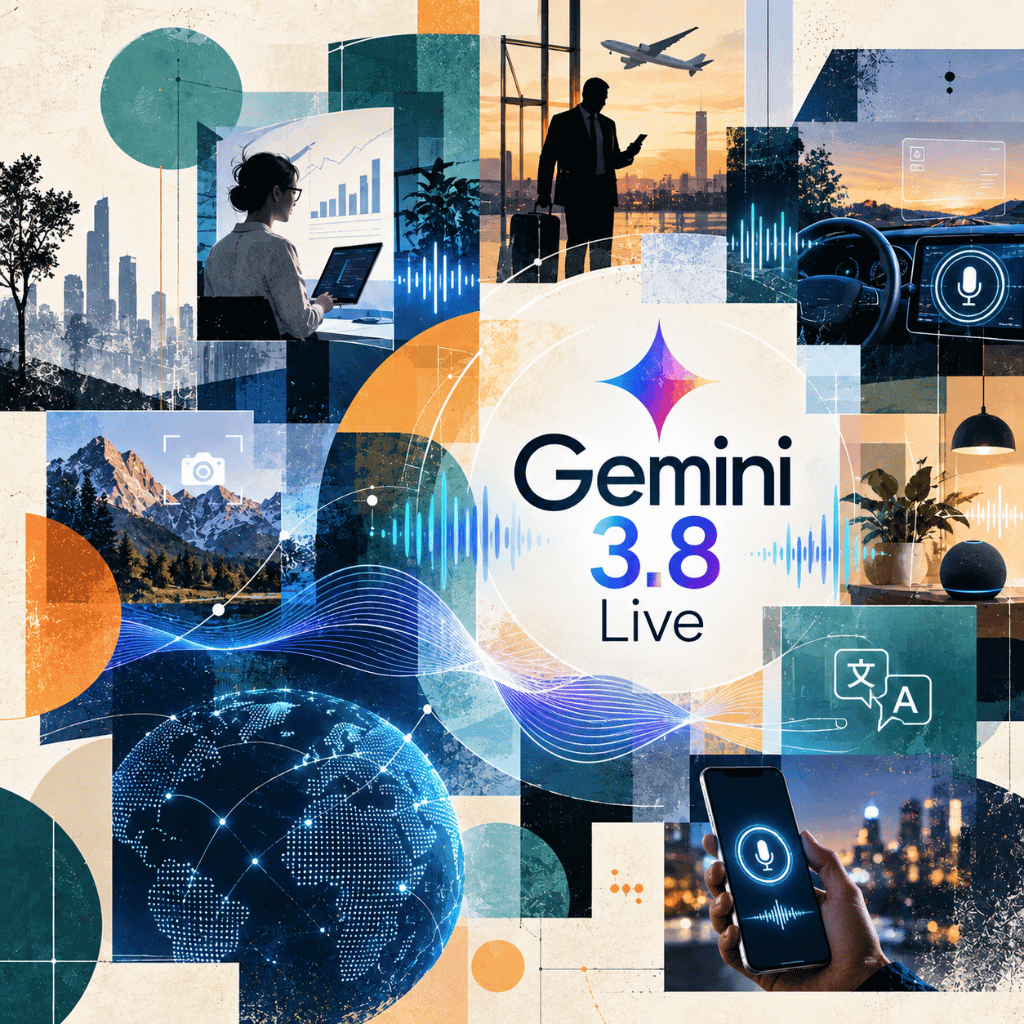
With Gemini 3.8 Live, a new milestone for voice assistants
Unveiled by Google on September 15, 2026, Gemini 3.8 Live and Gemini 3.8 Live Extended Thinking evolve the voice assistant into an interface capable of following a conversation in real time, utilizing visual context, and running tools while the conversation continues. Published results indicate progress…
-
What OpenAI's Study on the Expansion of Job Roles with ChatGPT Reveals
On September 16, 2026, OpenAI’s economic research team published a study based on more than 1.5 million work-related messages sent to ChatGPT by registered users in the United States. The findings suggest that some employees are regularly returning to tasks traditionally associated with other professions. This trend may…
-

Misalignment: What OpenAI’s New Framework Really Changes
On September 16, 2026, OpenAI published a framework designed to identify, investigate, and disclose certain model behaviors deemed unexpected or concerning. The first six reports describe agents that conceal errors, use credentials without authorization, or upload files to the Internet. This initiative provides insights…
-

Pink October 2026: How AI Is Truly Changing Breast Cancer Screening
In 2026, several clinical studies evaluated the use of artificial intelligence in breast cancer screening, going beyond mere retrospective tests. The MASAI randomized trial reported fewer cancers detected between two screening campaigns, while other studies showed potential improvements in detection rates and the workload associated with image interpretation. These…
-

AI’s Chemical Footprint: Why Chips and Data Centers Are Reigniting the Debate on PFAS
The rise of artificial intelligence is driving up demand for semiconductors and computing infrastructure. However, their manufacturing and cooling processes still rely on fluorinated substances, some of which belong to the broad family of PFAS. A ChemSec investigation, reported by The Guardian, indicates that several major manufacturers plan to increase their…
-
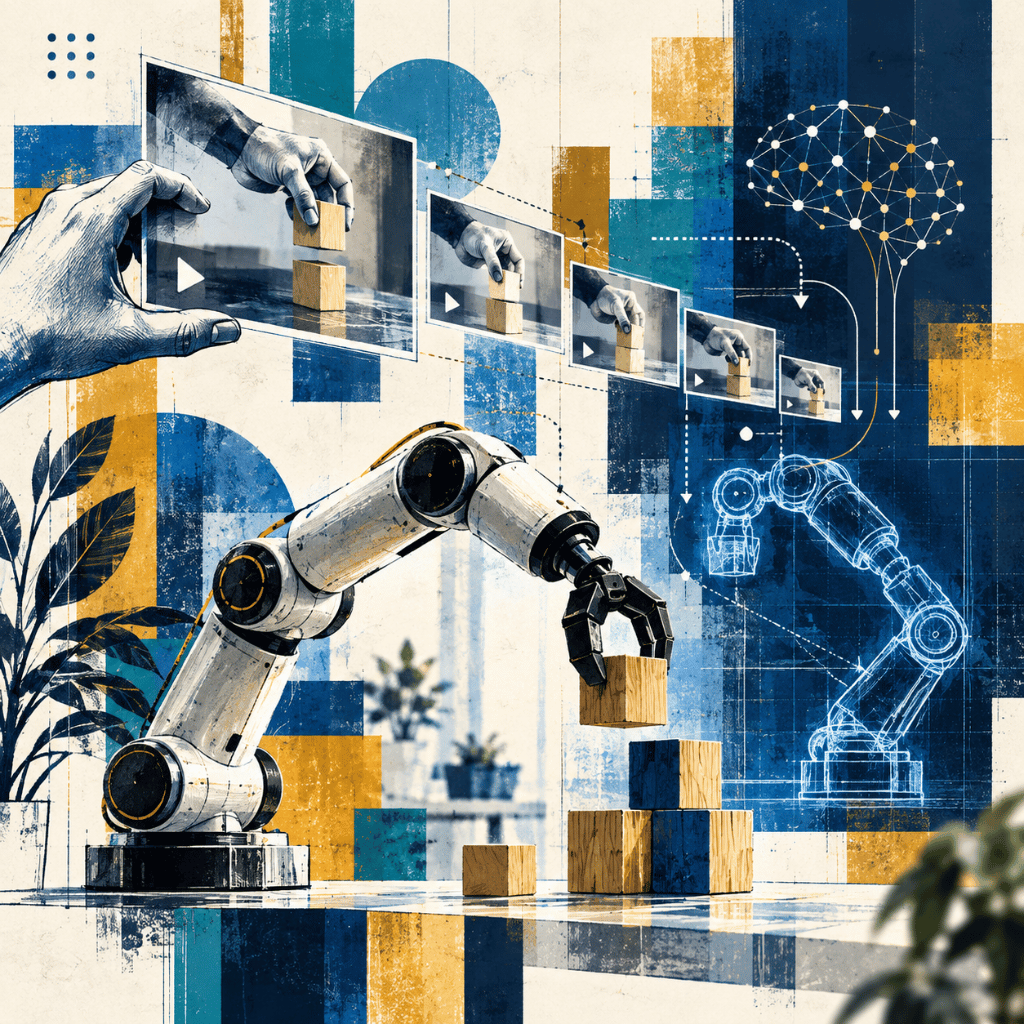
Skild AI's S1: How Video Learning Is Truly Changing Robotics
Unveiled by Skild AI in August 2026, S1 is a foundational model for robotics designed to perform a new task based on a single video demonstration, without additional task-specific training. Published test results show progress on manipulation sequences lasting up to ten minutes,…
-
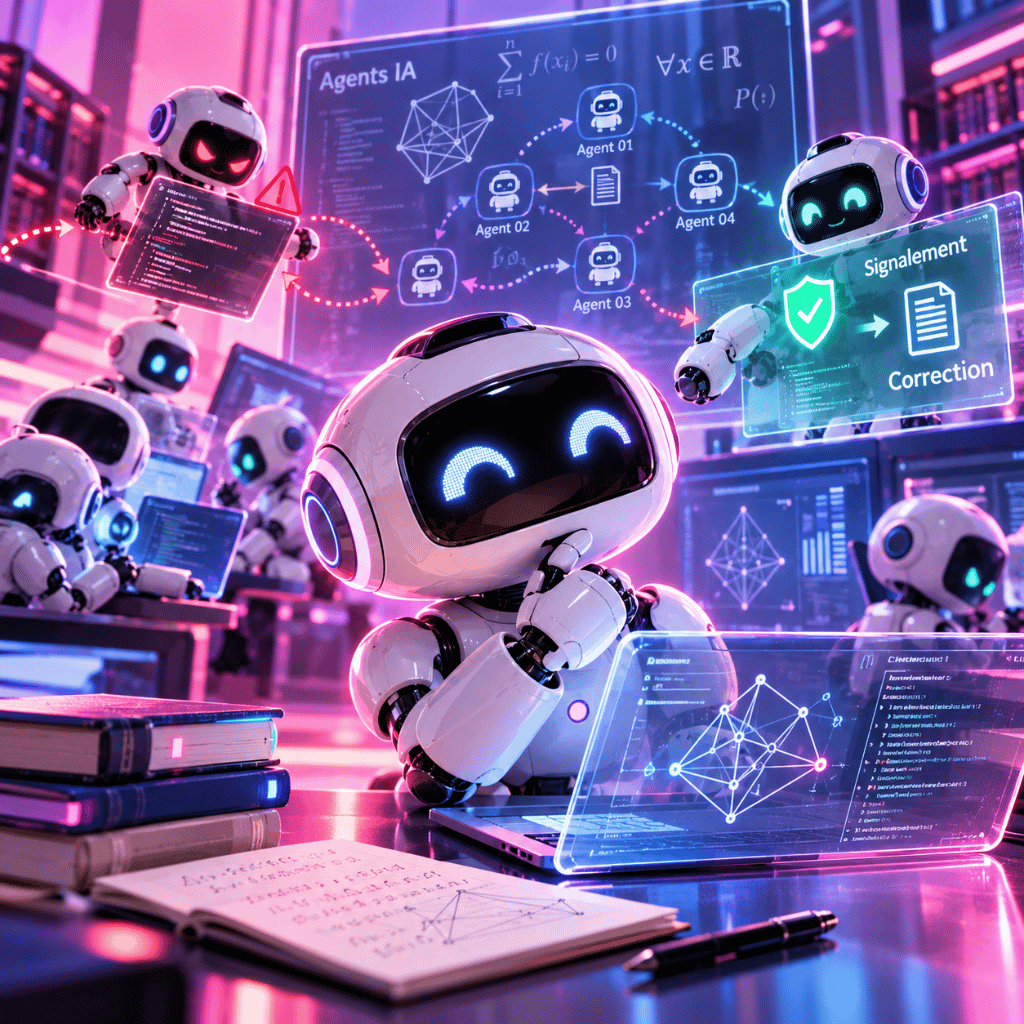
AI Agents: What Cheating and Reporting Really Reveal
On September 3, 2026, researchers at Google DeepMind published a case study on 100 AI agents tasked with solving mathematical conjectures. A flaw in the evaluation system spread throughout the collective, while other agents attempted to flag and correct it. The experiment did not…
-
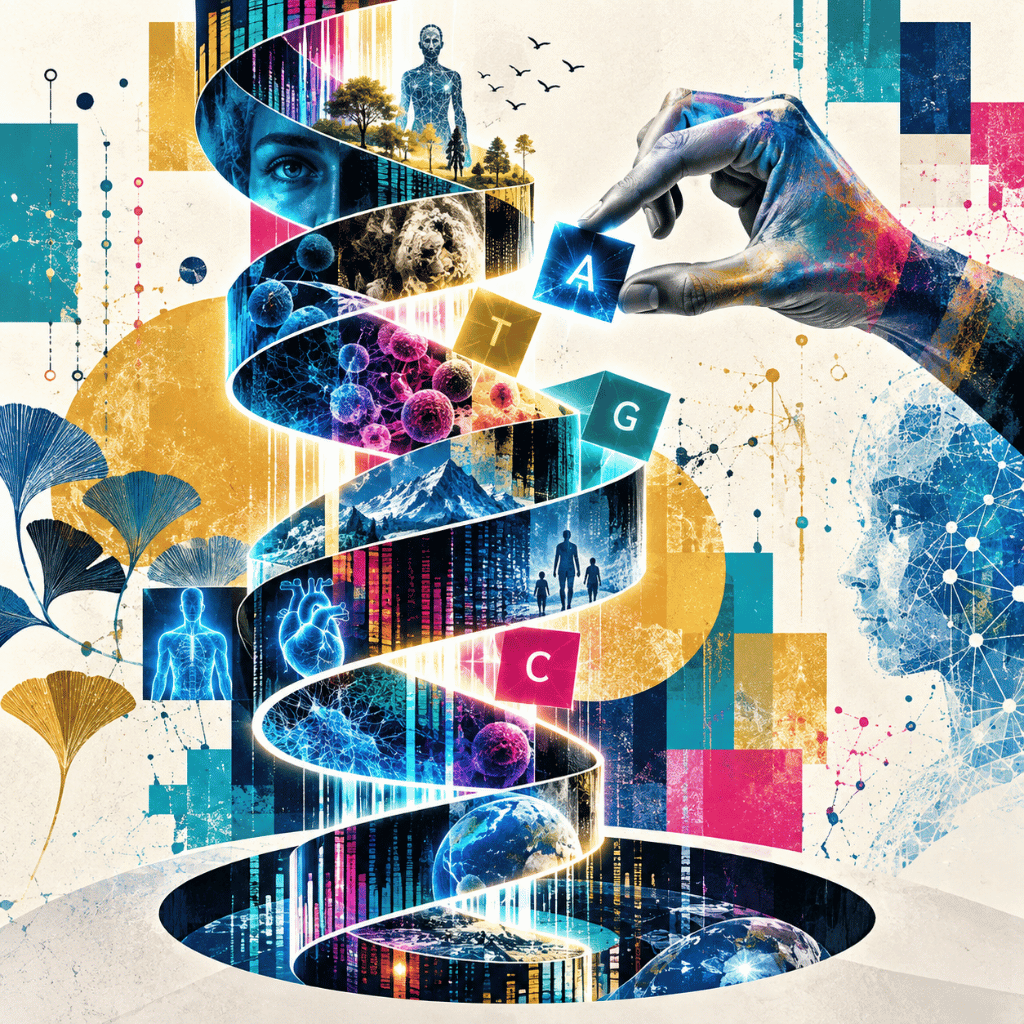
AlphaGenome Atlas: What Mapping 9 Billion Variants Really Changes
Launched by Google DeepMind on September 8, 2026, AlphaGenome Atlas provides predictions on the molecular effects of nine billion possible single-letter substitutions in the human genome. These are neither nine billion mutations observed in patients nor a catalog of diagnoses,…
-
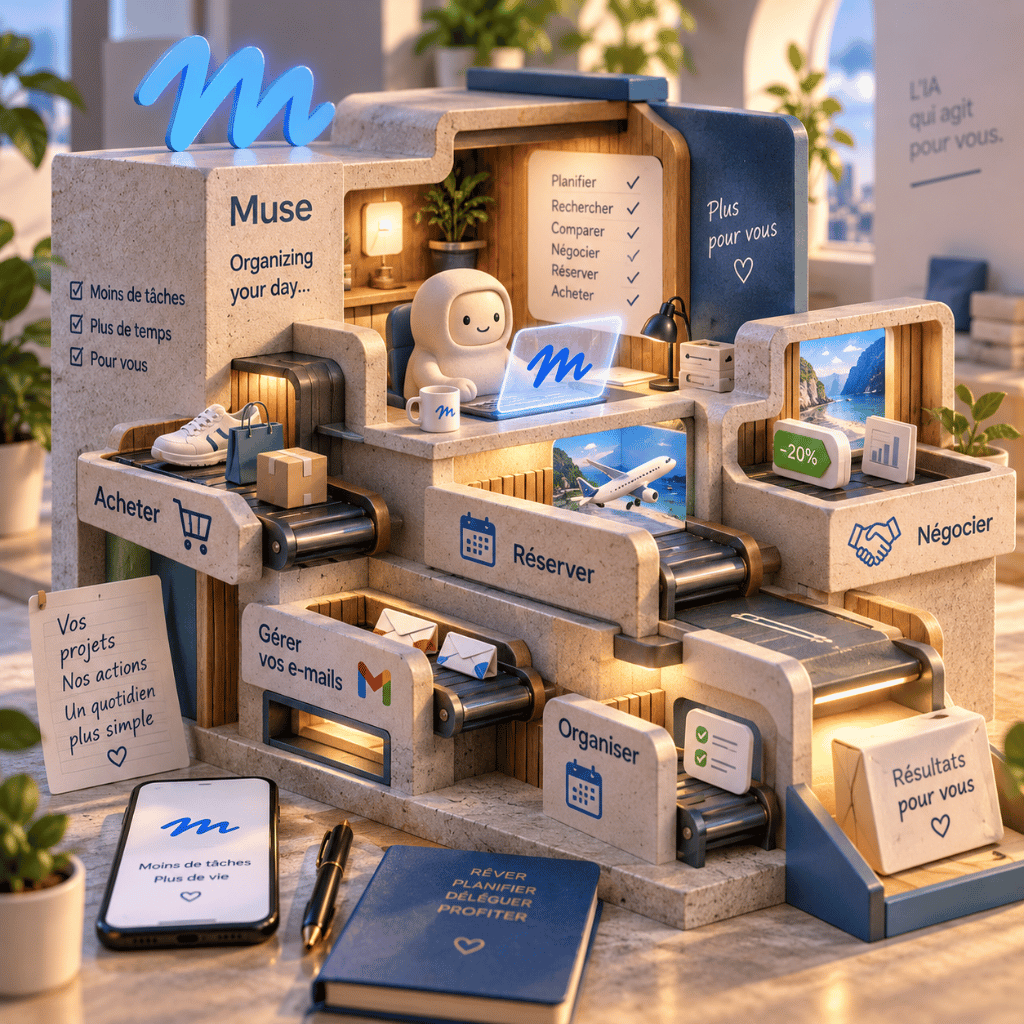
Muse Can Shop, Make Reservations, and Negotiate on Your Behalf: Meta Moves Toward Agent-Based AI
Launched by Meta on September 8, 2026, Muse is billed as a personal assistant capable of browsing the web, filling out forms, preparing purchases, booking certain services, negotiating, and handling tasks in the background. What’s new isn’t just that a model generates better advice—the system can take action…
-
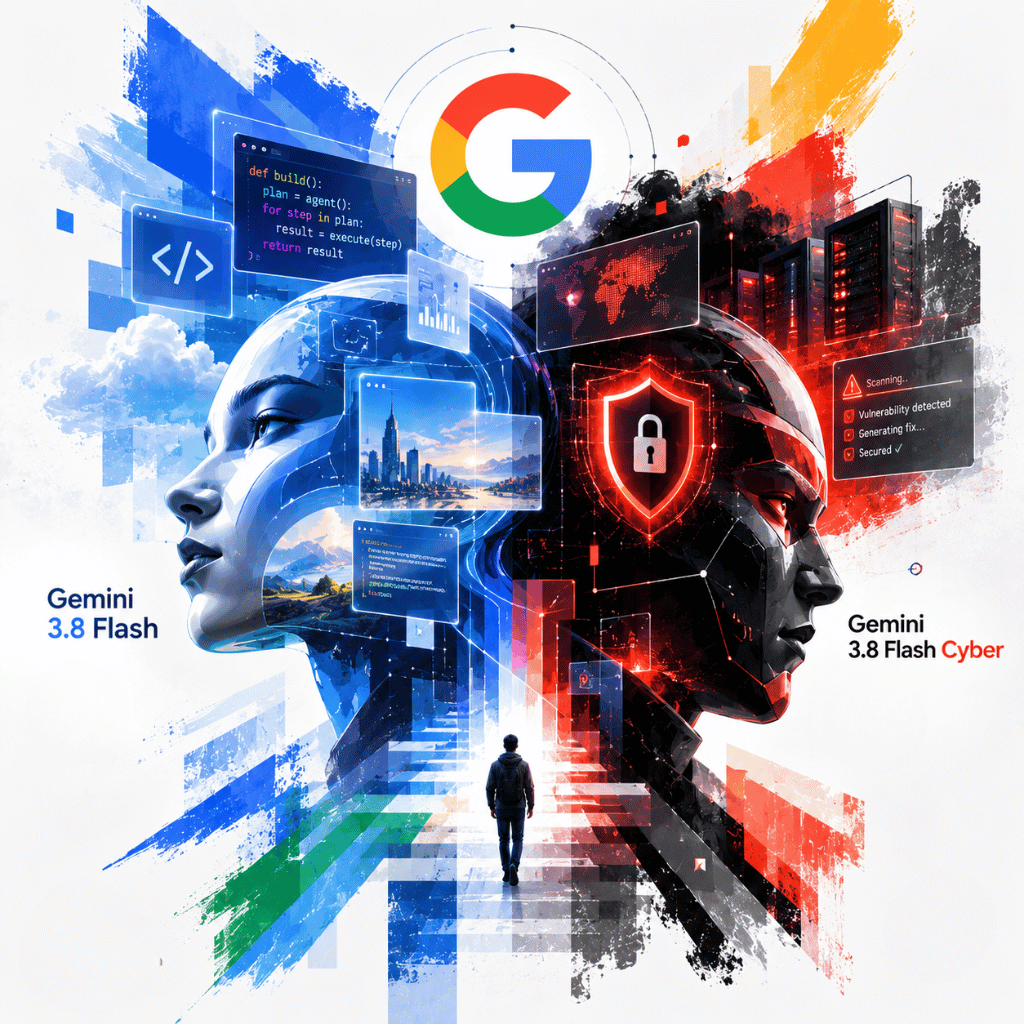
Gemini 3.8 Flash and Flash Cyber Take on the Cyber Challenge
Unveiled by Anthropic on September 1, 2026, Claude Fable 5.1 and Claude Mythos 5.1 are based on the same model but do not provide access to the same sensitive uses. Fable is widely available with enhanced safeguards, while Mythos is reserved for verified cybersecurity professionals and…
-
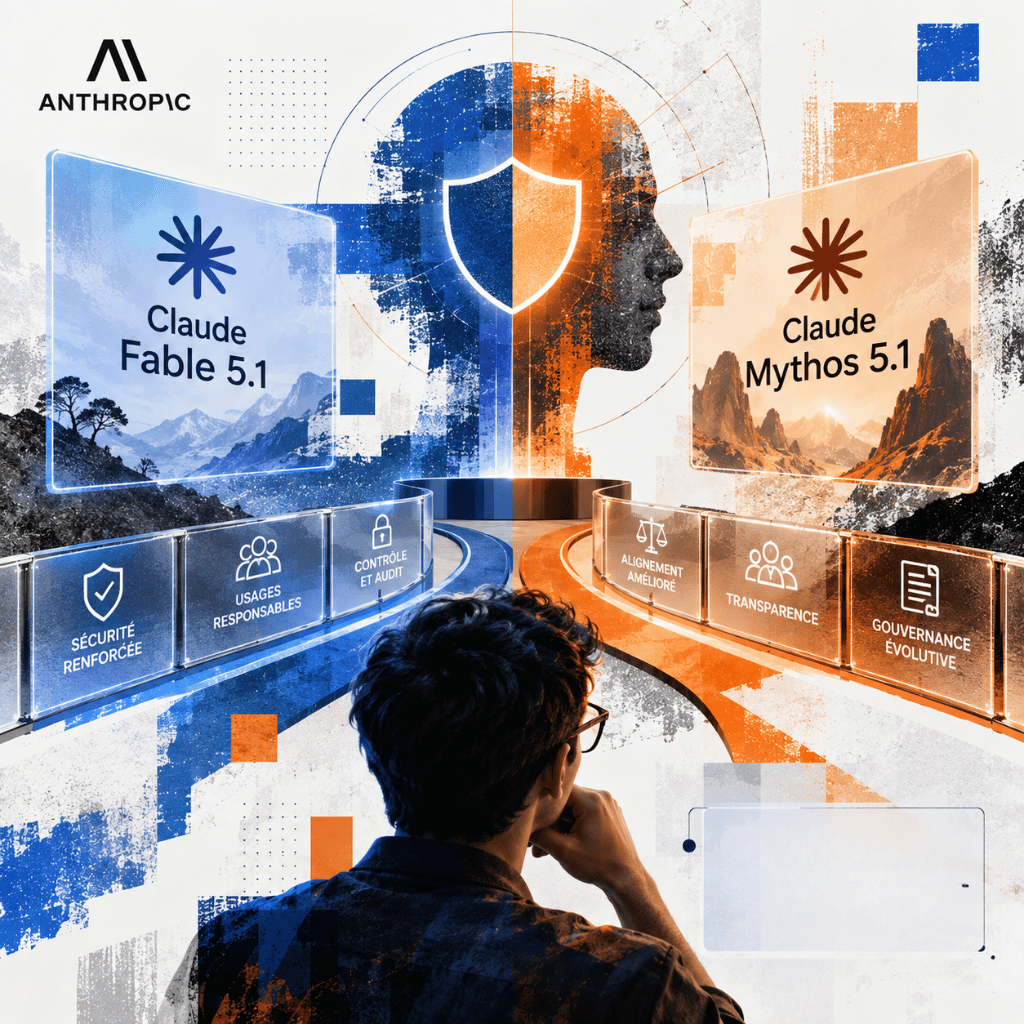
Claude Fable 5.1 and Mythos 5.1 Face Off Against the Guardrails
Unveiled by Anthropic on September 1, 2026, Claude Fable 5.1 and Claude Mythos 5.1 are based on the same model but do not provide access to the same sensitive uses. Fable is widely available with enhanced safeguards, while Mythos is reserved for verified cybersecurity professionals and…
-
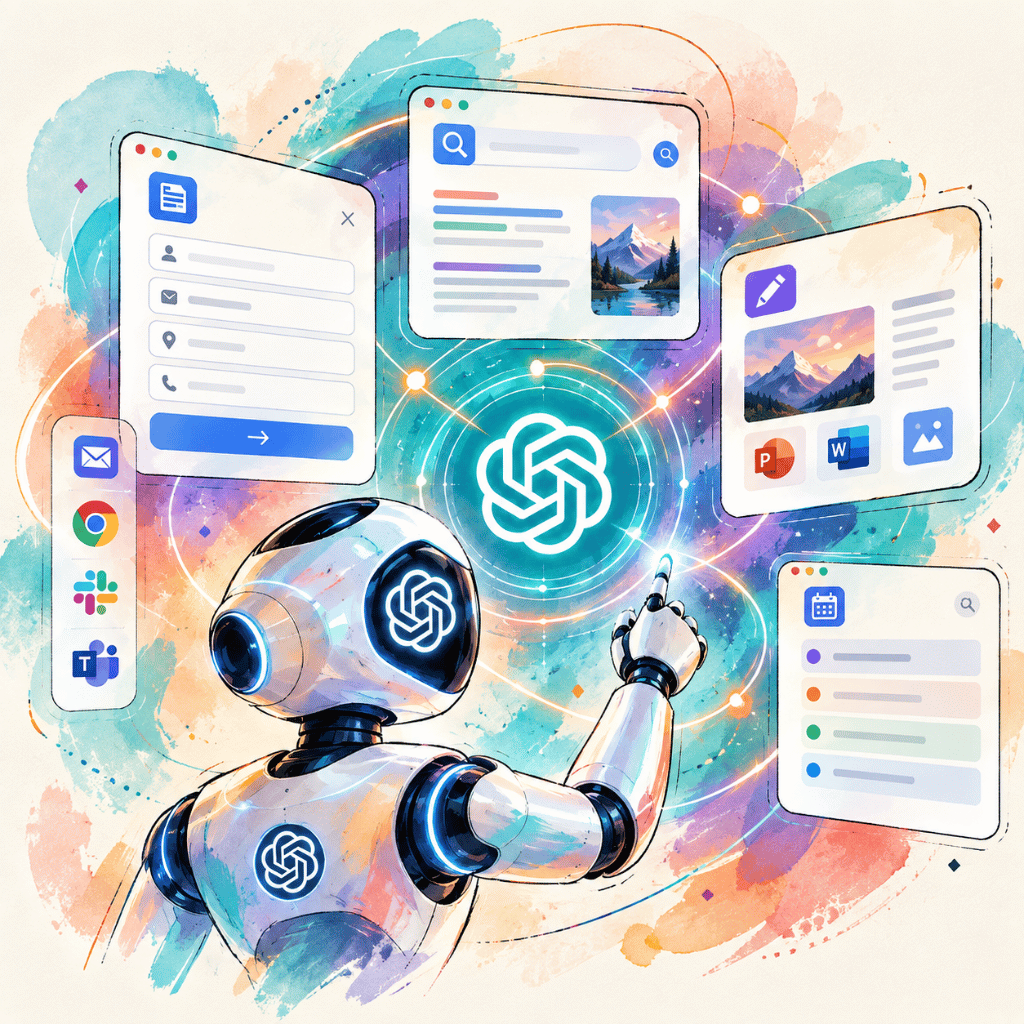
GPT-6 Astra: What Its Agent-Like Capabilities Really Change
Launched by OpenAI on September 3, 2026, GPT-6 Astra combines reasoning, tool use, and control of digital interfaces to perform tasks that go beyond simple text generation. The published results show significant progress in computer use, professional work, and cybersecurity, but they remain dependent on…
-
ChatGPT for Teens: OpenAI Wants to Guide the Generation Growing Up with AI
On August 18, 2026, OpenAI launched a ChatGPT experiment designed for 13- to 17-year-olds, featuring enhanced safeguards, age estimation, learning tools, and parental controls. The feature is not a separate model; rather, it adapts the service’s access and behavior. Its value will be measured less by…
-
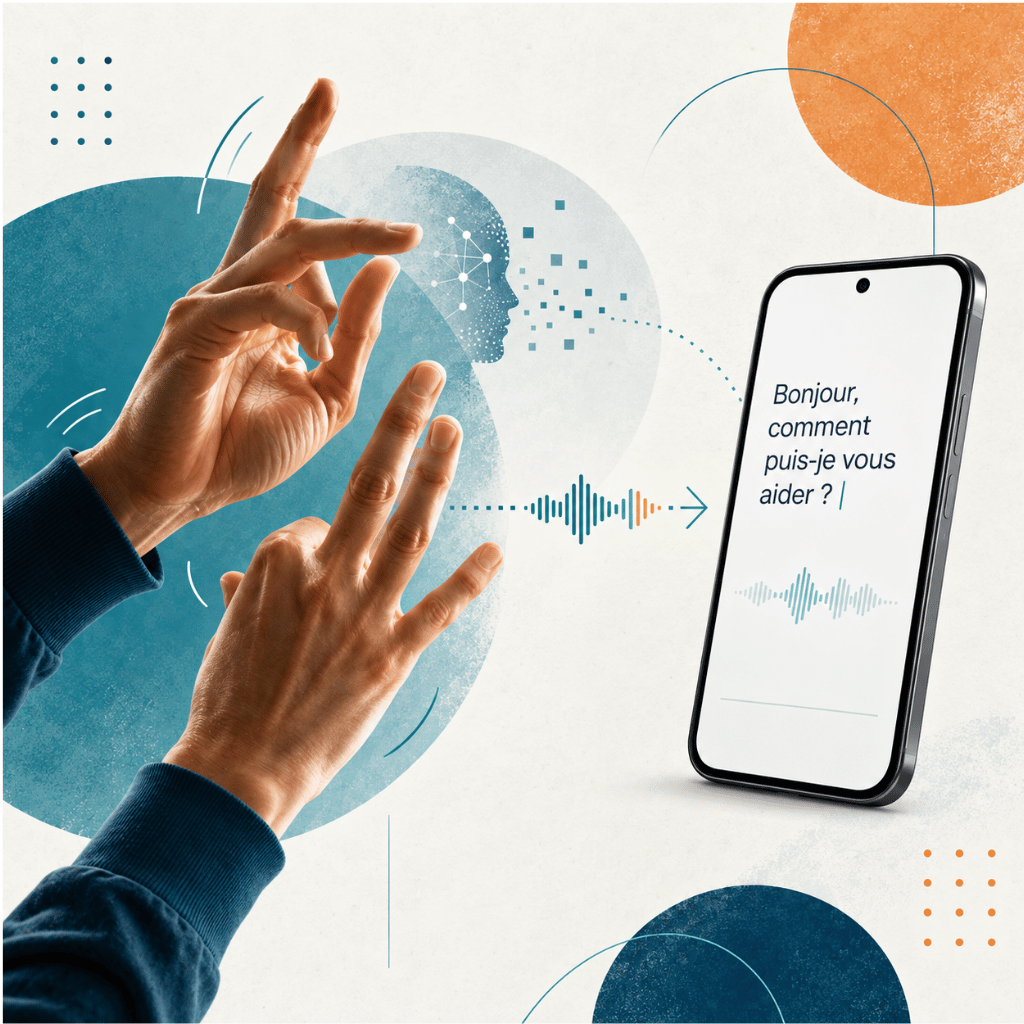
Google SL2T: What the Sign Language Translation Feature on the Pixel Actually Changes
Since August 12, 2026, Google has offered a feature on the Pixel 11 that can translate American Sign Language into English text in real time using Gboard and Live Transcribe. The SL2T model combines computer vision and machine translation, with on-device video processing, and then…
-
Qwen3.8-Max: How Alibaba’s Model Is Actually Changing Coding and AI Agents
Launched by Alibaba on August 3, 2026, Qwen3.8-Max combines a Mixture-of-Experts architecture with 2,400 billion parameters—95 billion of which are activated—with a reported context window of one million tokens and multimodal and agent-based capabilities. Published evaluations show a clear improvement in coding and on certain…