Image




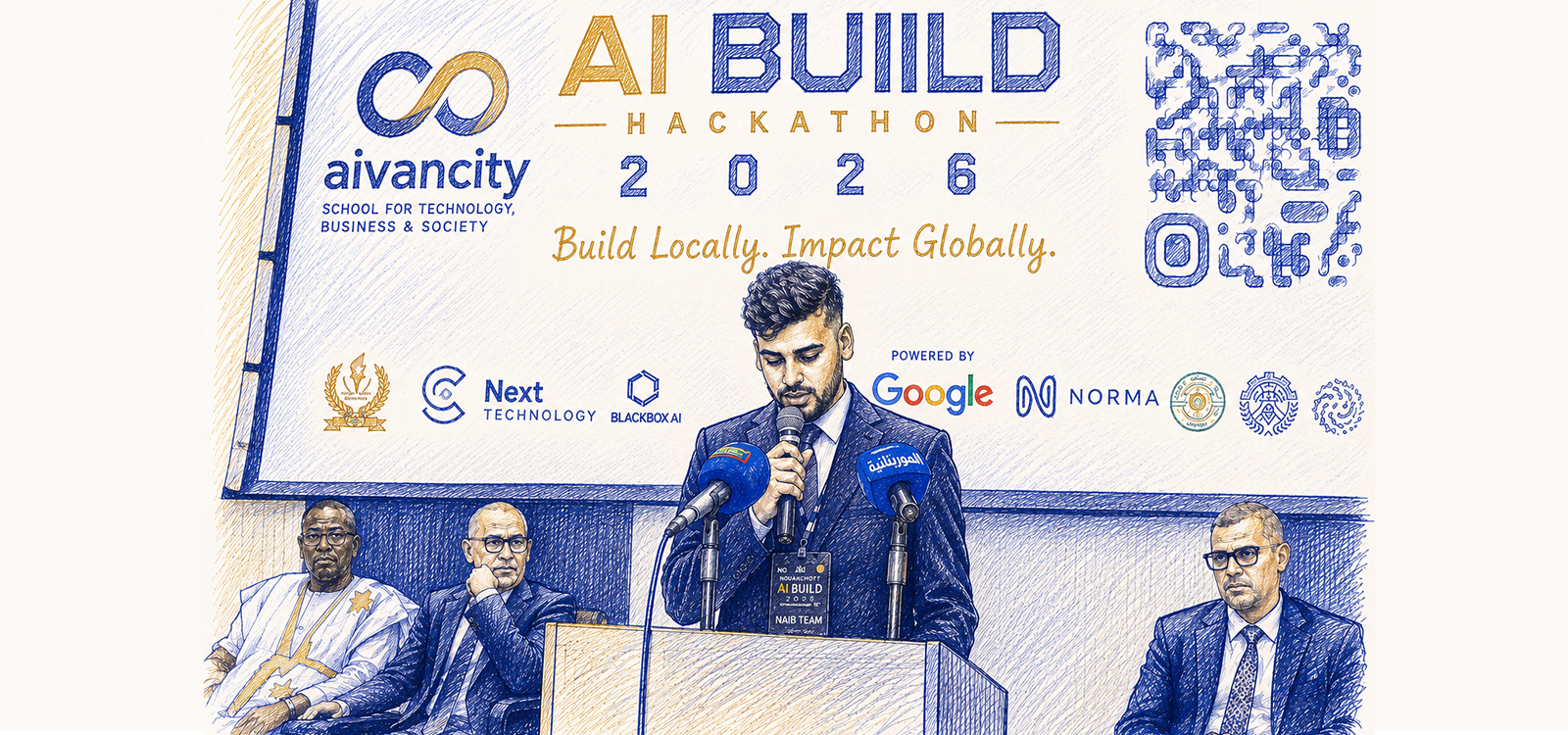
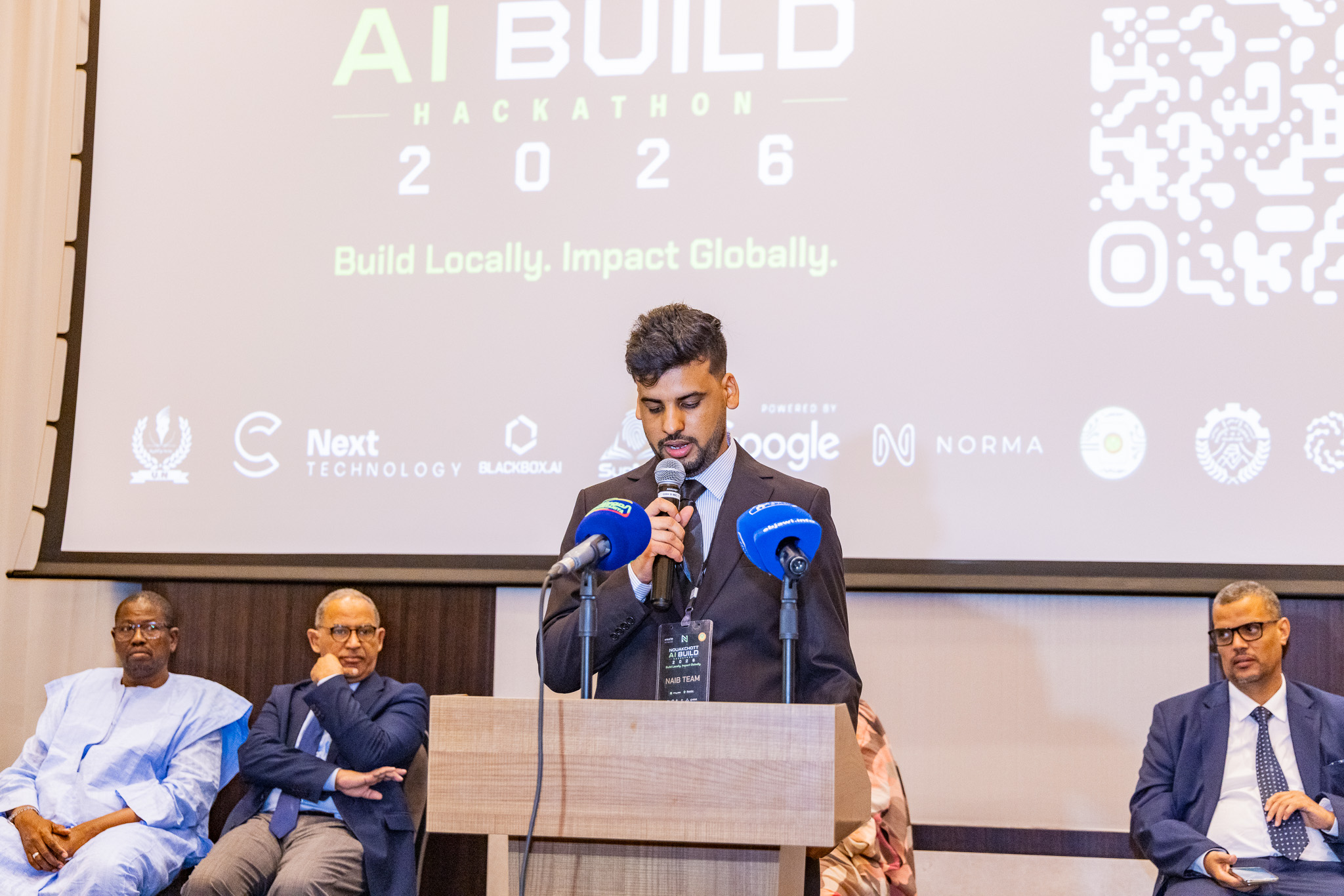
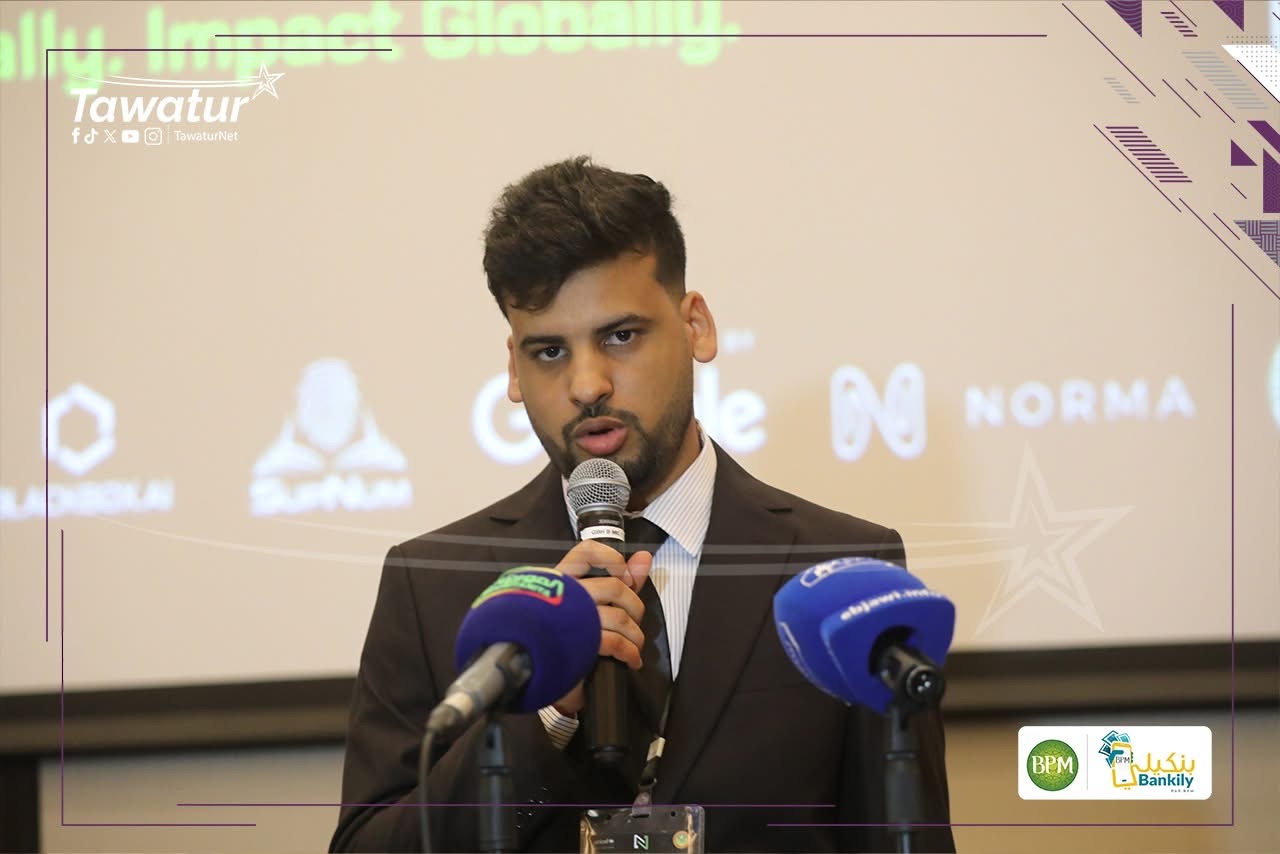
At a time when artificial intelligence models are still primarily developed in the world’s major technology hubs, Abdellahi El Moustapha holds a firm conviction: AI innovation must also emerge from the regions that are directly affected by the problems it seeks to solve.
The official NAIB 2026 report notes that Mauritania faces major challenges in digital transformation despite its skilled young workforce and strong technological potential.
The goal of the hackathon was therefore clear:
 An approach that is deeply aligned with aivancity’s philosophy: to train professionals capable of bridging technology, social impact, and an understanding of local communities.
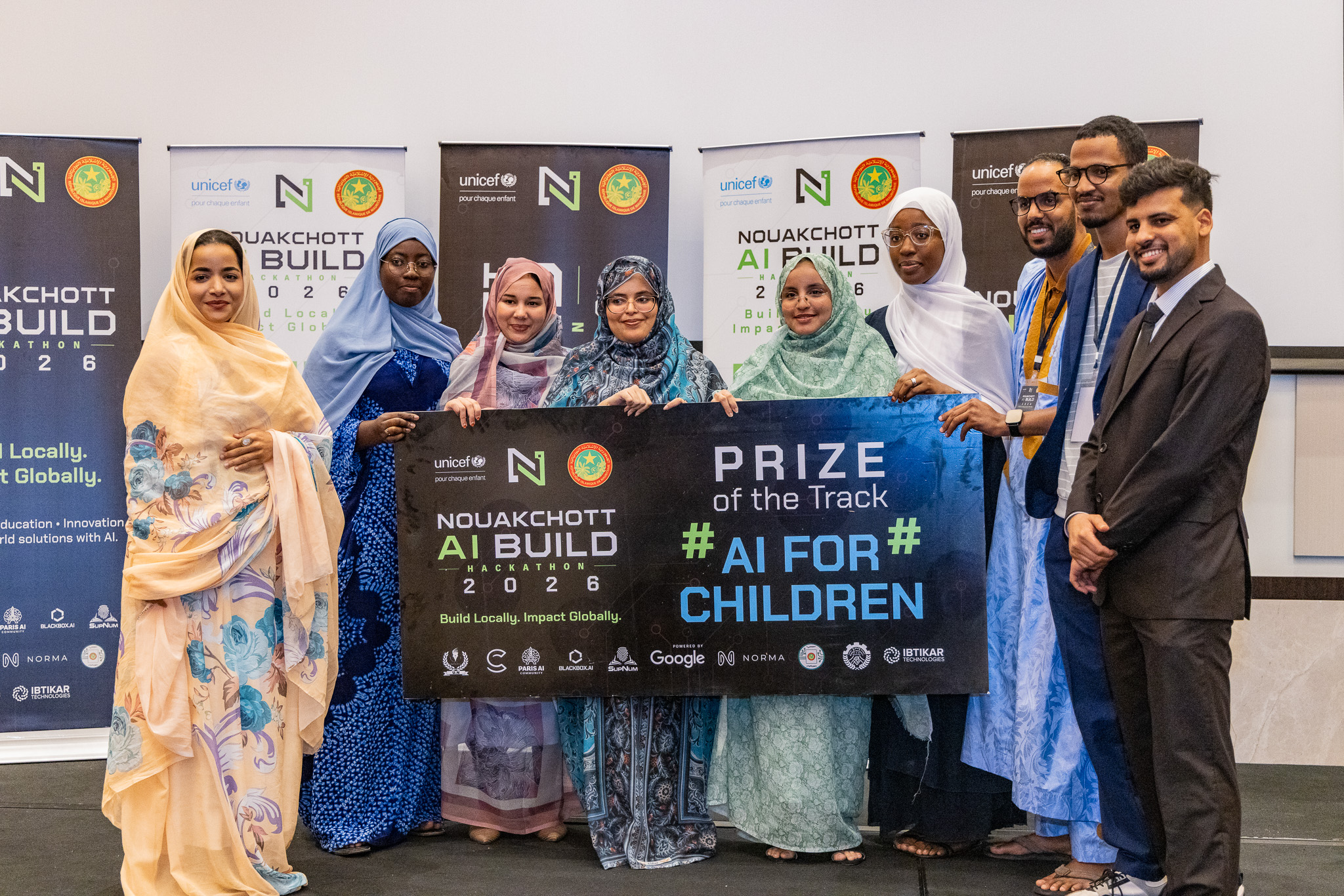
 For an entire day, 25 teams worked in real time on AI solutions designed to address real-world social issues.
Far from being mere theoretical exercises, the projects developed directly addressed everyday issues:
The teams were supported by mentors from Google and UNICEF Mauritania, among others, who provided a combination of technical guidance, product vision, and business structuring.
This dual technological and entrepreneurial approach left a strong impression on the event. The report emphasizes that the projects were not merely developed, but were developed with a specific goal and a focus on impact. Among the most notable projects is Sawaqli AI, the winner of the AI & Machine Learning category.
The platform addresses a very real problem: enabling small Mauritanian businesses to easily create marketing content without having to master complex Western AI tools.
The tool allows users to automatically generate content tailored to local customs, cultural holidays, and the social media platforms used in the country, based on just a few words in Arabic or French.
Another notable project: Hassaniya GPT, a conversational AI designed for Mauritanian dialects and financial inclusion.
The system allows users with limited literacy to interact with banking services via voice commands in their native language: Hassaniya, Pulaar, Soninke, or Wolof. This is a major innovation in a context where a large portion of the population lacks both advanced smartphones and stable internet access.
Other projects also caught our attention:
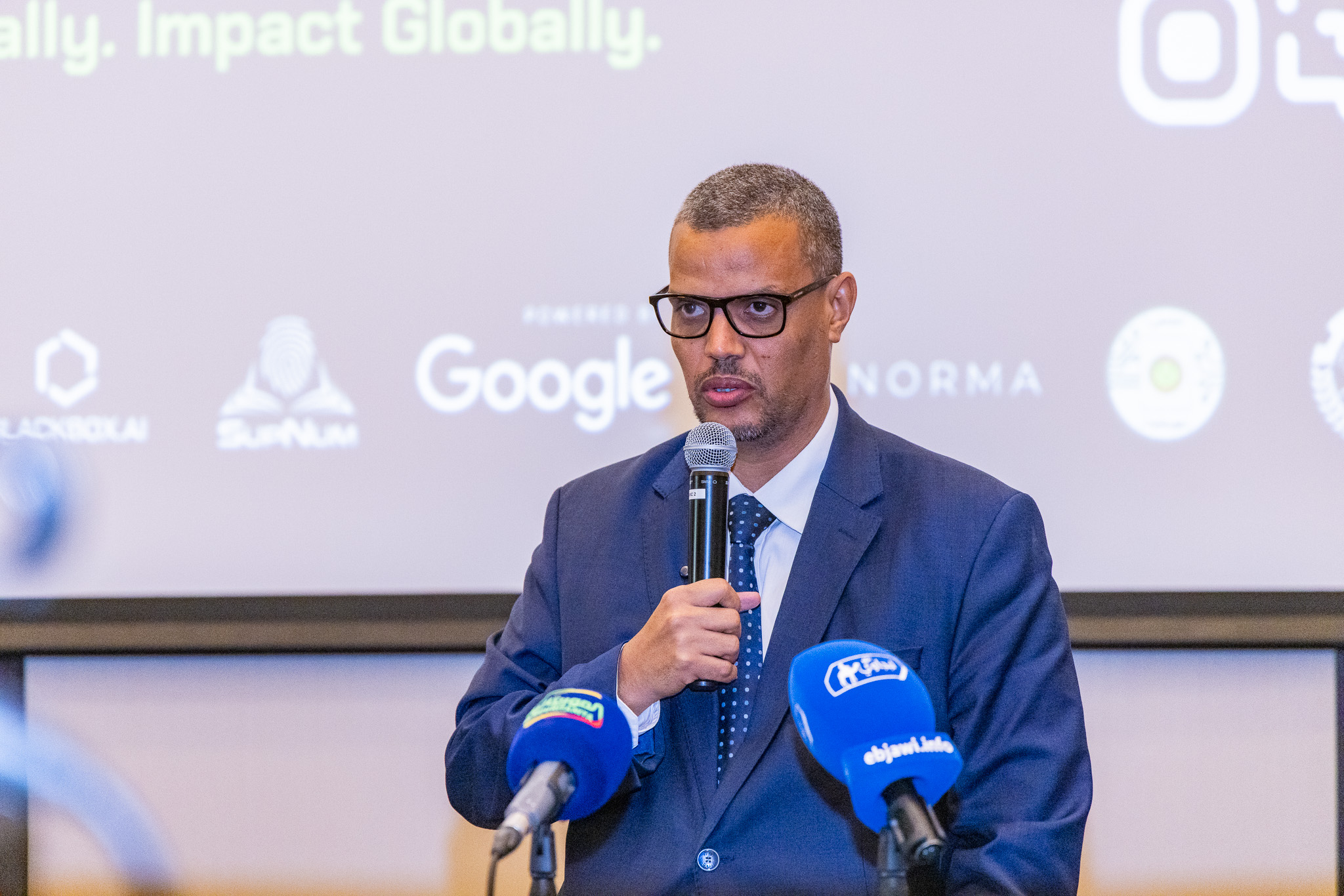
NAIB 2026 also stood out for the level of institutional recognition it received.
The event was supported by:
The day featured three major panel discussions:
The hackathon was also widely covered by Mauritanian national media and the country’s official broadcasters, underscoring the initiative’s national reach. One of the most memorable aspects of the event was the post-hackathon.
All 25 projects developed during NAIB 2026 have been accepted into the UNIPOD incubation program, which is supported by the United Nations.
Several of the companies in attendance also offered job opportunities directly to some participants following the final demonstrations.
As for Sawaqli AI, the project has already become an active startup with its first local clients just a few days after the hackathon. Beyond NAIB, Abdellahi El Moustapha has already made a name for himself in several international technology competitions.
The official report notes, in particular, that it:
Through Abdellahi El Moustapha’s journey, aivancity is seeing a key vision for artificial intelligence education come to fruition: training not only technical experts, but also builders capable of transforming their environment.