


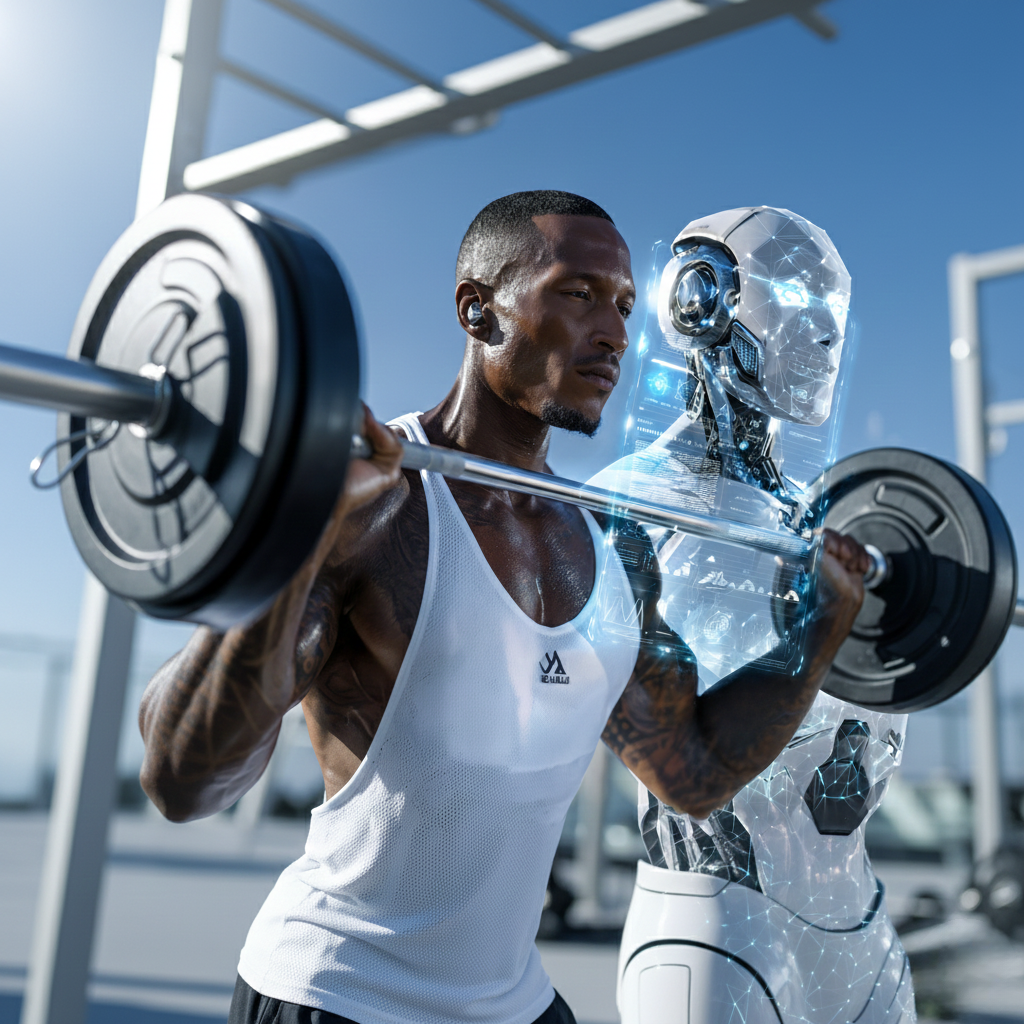
In 2025, engineers at Don State Technical University in Russia unveiled an AI-powered training robot, a device designed to assist athletes during their workouts while reducing the risk of injury. This innovation addresses a growing challenge in Russian sports facilities: the shortage of experienced coaches capable of providing individualized guidance. The robot combines biomechanical analysis, computer vision, and machine learning algorithms to observe athletes in real time, correct their posture, and adjust their technique as soon as a potentially dangerous movement is detected1. According to data released by the university in January 2025, initial tests show a 28% reduction in repetitive technical errors among beginner athletes after four weeks of use.
A fast, mobile robot designed for detailed motion analysis
Weighing about five kilograms, the robot impresses with its agility and top speed of 25 kilometers per hour, allowing it to serve as a pacer for runners. It follows the athlete on the track or indoors while capturing every movement using several onboard cameras. The integrated AI models analyze:
• joint angles,
• range of motion,
• posture symmetry,
• ground impact with each stride,
• variations in pace or fatigue.
When a movement deviates from an optimal trajectory or poses a risk of overload, the robot immediately sends a vocal or visual signal. Initial results indicate a 21% reduction in unevenly distributed loads during endurance sessions, a key factor in preventing tendonitis and muscle injuries2.
Advanced personalization powered by adaptive AI
One of the device’s key strengths is its ability to generate personalized training programs based on the user’s capabilities. The AI automatically adjusts sessions based on:
• endurance level,
• maximum speed achieved,
• observed biomechanical limitations,
• progress recorded over several weeks.
The robot works in conjunction with a mobile app that allows athletes to track their progress. Reports include speed, estimated heart rate variability, effort distribution, and technical stability. During tests conducted with physical education students, 63% of users reported a better understanding of their running technique thanks to the detailed reports provided by the AI3.
Real-time support that is transforming the role of the coach
Russian engineers explain that the robot is not intended to replace coaches, but to enhance their capabilities by providing feedback that cannot be detected with the naked eye. Initial tests include:
• university track and field teams,
• local track and field clubs,
• physical education students.
Feedback indicates a significant improvement in posture maintenance during prolonged exertion, as well as faster progress among beginners, particularly thanks to the consistency of the instructions provided by the robot. Furthermore, the robot’s ability to reproduce precise and regular rhythms makes it a reliable tool for interval training, a discipline where human variability can sometimes limit the precision of sessions.
Making AI-powered training more accessible
Don University plans to roll out the robot in several educational institutions and regional sports clubs. This expansion is part of a global trend aimed at making advanced sports coaching accessible to as many people as possible. A study conducted by the European Center for Sports Science indicates that demand for digital training tools increased by 37% between 2022 and 2024, driven by the search for tools capable of improving athletes’ technique and safety4. With its reported moderate cost and simplified use, the robot could become a key tool for schools, amateur clubs, and rehabilitation centers.
Ethical issues: a technology that needs to be regulated to prevent abuses
Like any real-time analytics tool, this bot raises important ethical questions. The identified risks include:
• the collection and storage of sensitive biomechanical data,
• the temptation to replace human expertise with an automated system,
• the misinterpretation of certain measurements in the absence of human validation,
• the use of data in an unintended context, for example to evaluate athlete selection.
The developers emphasize the need for dual human oversight to interpret alerts, stressing that AI must remain a support tool and not an autonomous decision-making mechanism. Several sports experts are already recommending an ethical charter to govern the use of these robots, similar to the one proposed for augmented vision systems in performance centers5.
Toward a new generation of athletes enhanced by robotics
Early feedback suggests that this robot could profoundly transform training methods by offering a level of analytical precision that is difficult for the human eye to match. As AI advances, engineers plan to integrate additional physiological sensors and predictive models capable of anticipating injuries several days in advance. One question, however, remains central: how to balance technological input with human expertise to guide athletes toward truly sustainable performance.
Learn more
To round out this exploration of augmented sports coaching, check out:From Athlete to Virtual Coach: AI as a Personal Trainer
References
1. Don State Technical University. (2025). AI-Powered Training Robot for Athletic Performance.
https://www.donstu.ru
2. Russian Sports Technology Review. (2025). Real-Time Biomechanics Monitoring Systems.
https://www.rstr.org
3. Don State Technical University Press Office. (2025). Pilot Testing Results of AI-Guided Training Robot.
https://www.donstu.ru
4. European Sports Science Center. (2024). Digital Tools Adoption in Athletic Training.
https://www.essc.eu
5. International Council for Ethics in Sport. (2024). Guidelines for AI and Robotic Systems in Athlete Training.
https://www.icesport.org