


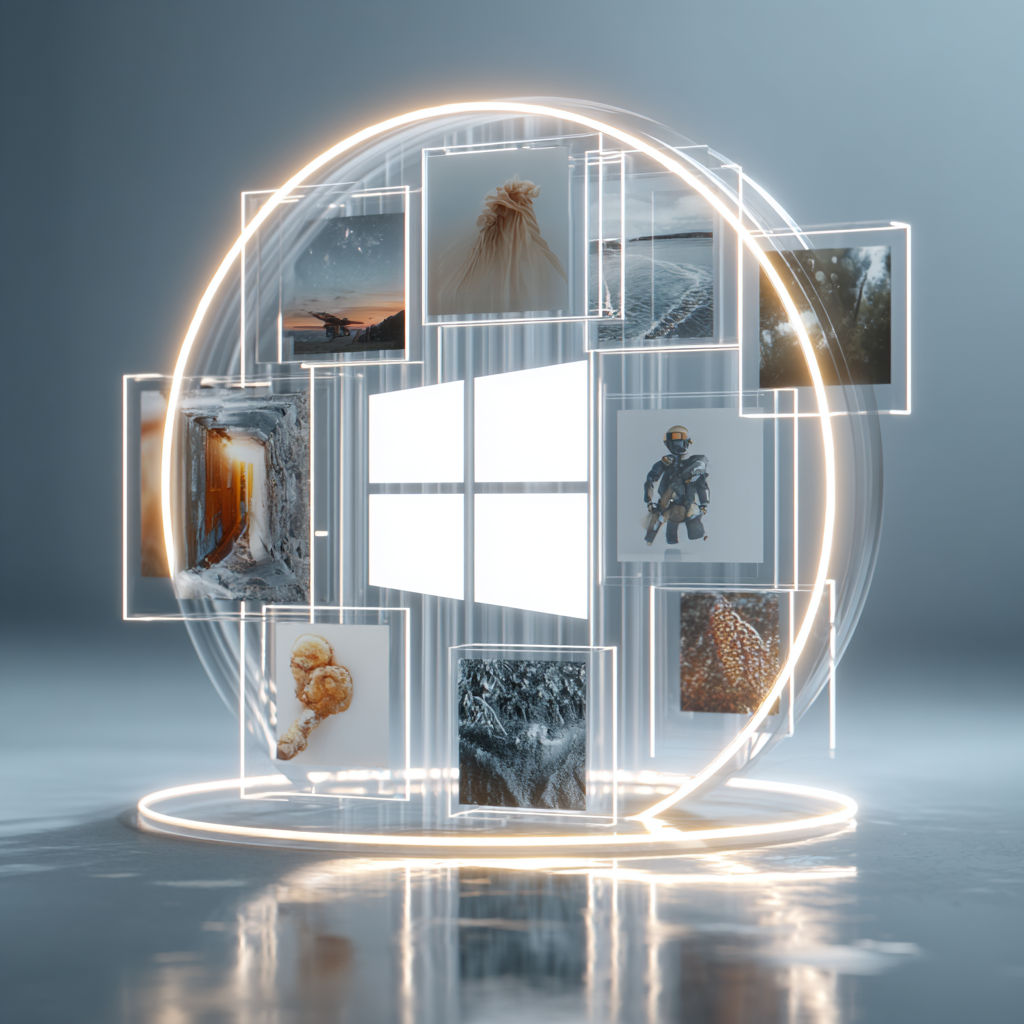
Microsoft is continuing its expansion strategy in the field of artificial intelligence with the unveiling of MAI-Image-1, its first proprietary image-generation model. With this new creative AI, the company is positioning itself as a direct competitor to Midjourney, DALL·E, and Stability AI, the current industry leaders.
Designed to produce realistic, ethical visuals suitable for professional use, MAI-Image-1 marks a strategic milestone: the complete mastery of the AI-driven visual creation pipeline, from model design to distribution on Microsoft platforms.
A proprietary model designed for precision and safety
MAI-Image-1 was developed by Microsoft Research in collaboration with Azure AI. It is based on a multimodal architecture that combines image processing, text learning, and context understanding.
According to Microsoft engineers, the model was trained on a dataset of over 3 billion annotated images sourced from open-source channels and verified for copyright compliance. This approach aims to strike a balance between visual quality, cultural diversity, and legal compliance.
Early demonstrations show that MAI-Image-1 can generate:
- realistic illustrations based on complex instructions,
- conceptual images for design and communication,
- and scientific visuals for educational or technical purposes.
Microsoft notes that this model was designed to reduce the generation of biased or inappropriate images by incorporating a safety filter and a mechanism for explaining the generated content from the outset.
Microsoft Enters the Generative AI Race
With MAI-Image-1, Microsoft is entering a market valued at over $15 billion by 2025, which has so far been dominated by independent players such as OpenAI (with DALL·E), Midjourney, and Stability AI1.
But Microsoft’s strategy is different. The company isn’t just looking to offer an image generator; it wants to integrate MAI-Image-1 into its overall ecosystem:
- within Copilot (to generate visuals in Word, PowerPoint, or Teams),
- in Designer, its AI-powered design tool,
- and on the Azure AI Studio platform, for businesses looking to deploy custom image generation solutions.
This integration is part of a broader approach: the integration of AI into productivity, where image generation becomes a natural part of digital work.
AI for Creativity and Efficiency
Microsoft describes MAI-Image-1 as a creative assistant capable of understanding a user’s needs and generating customized images. For example, the AI can:
- create a marketing illustration based on a descriptive text,
- create a presentation background tailored to a professional theme,
- or create a scientific illustration to explain a technical concept.
Initial internal tests indicate that MAI-Image-1 reduces graphic design time by 60% in digital communication workflows2.
The company also highlights the quality of the output: the images produced are more consistent, with better handling of details, proportions, and textures than in previous versions of the open-source models used by Microsoft Designer.
AI designed with ethics and traceability in mind
The issue of visual accountability is central to the project. Microsoft states that MAI-Image-1 incorporates digital watermarking mechanisms to indicate that an image was generated by AI.
This system, called Content Credentials, was developed in partnership with the Coalition for Content Provenance and Authenticity (C2PA), an initiative involving Adobe, Intel, and the BBC. It makes it possible to identify the origin of a visual and ensure transparency regarding its creation.
In addition, the model enforces strict rules to prevent the generation of sensitive, discriminatory, or misleading content. These safeguards are designed to meet the requirements of the upcoming European AI Act, which will classify generative models based on their risk level.
A technological and cultural competition
The launch of MAI-Image-1 comes amid intensifying competition among the major players in the creative AI sector.
- With DALL·E 4, OpenAI is focusing on artistic quality and ease of use.
- Midjourney prioritizes aesthetics and the creative community.
- Stability AI promotes openness and customization through its Stable Diffusion model.
Microsoft is taking a complementary approach focused on reliability, security, and professional compatibility. By emphasizing the seamless integration of MAI-Image-1 into its existing tools, the company aims to appeal to businesses, designers, and educators rather than independent artists.
A new era for computer-aided design
MAI-Image-1 illustrates a fundamental trend: the convergence of visual creation, productivity, and artificial intelligence.
The generated image is no longer an isolated artistic object, but an integral part of digital communication.
With this in mind, Microsoft aims to establish its model as an industry standard, ensuring both technical performance and regulatory compliance.
According to IDC estimates, 65% of European companies will use an AI image-generation tool in their marketing or training processes by 20273.
MAI-Image-1 thus emerges as a cornerstone of the future of digital creativity: a space where machines do not replace human imagination, but enhance it through speed, precision, and accountability.
Learn more
Dive deeper into the innovations of generative AI with this article:
Meta x Midjourney: A Strategic Alliance to Revolutionize AI-Powered Images and Video
It explores how collaboration between major visual AI platforms is redefining the boundaries of digital creation—a challenge that Microsoft is now addressing with MAI-Image-1.
References
1. Statista. (2025). Global Generative AI Market Forecast 2025.
https://www.statista.com
2. Microsoft Research. (2025). MAI-Image-1 Technical Overview.
https://www.microsoft.com/research
3. IDC Europe. (2024). AI in Marketing and Design Report.
https://www.idc.com