


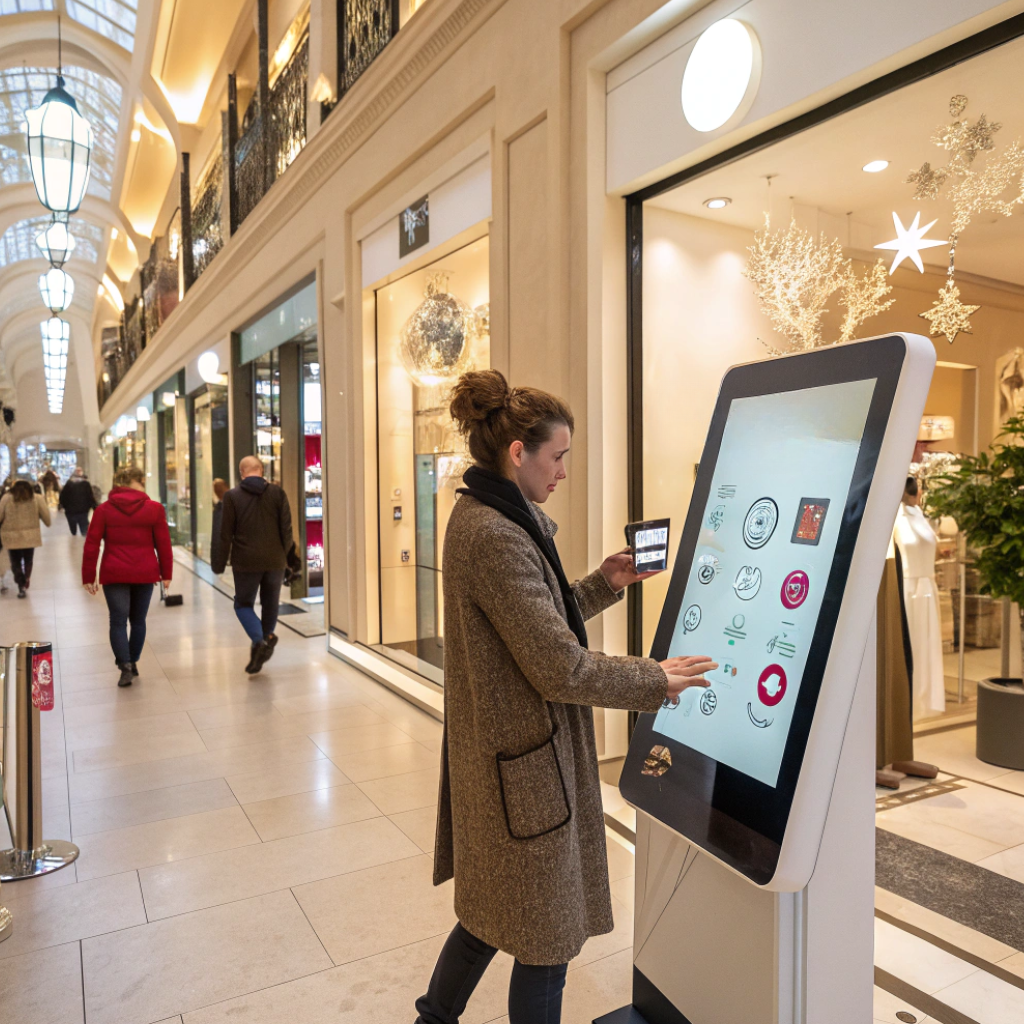
A turning point in digital consumption habits?
E-commerce is undergoing another transformation, this time driven by the rise of generative artificial intelligence technologies. According to a recent study conducted by Havas Market among more than 1,000 French people, 54% of consumers say that AI will transform the way they shop within the next five years1. Conversational chatbots, predictive recommendations, personalized product visualization: these are all features that are shaping the contours of “augmented shopping.” But what are users’ actual expectations, and what usage patterns have already been observed?
A need for flexibility, personalization, and guidance
According to the study, 72% of French people want AI to help them save time during their shopping experience2. This expectation translates into a desire for simplicity: targeted product suggestions, instant answers to questions, and help comparing offers. More than six in ten consumers favor a shopping experience that is more intuitive, less time-consuming, and better tailored to their needs.
Generative AI, in particular, appears to address these challenges thanks to its ability to generate customized text or visual content. 41% of French people say they are interested in personalized product recommendations powered by AI, and 35% are interested in virtual assistants capable of guiding the purchasing process from start to finish.
Generative AI in the Daily Lives of the French
The study also highlights the generative AI tools already in use by the general public. Unsurprisingly, the free version of ChatGPT leads by a wide margin with 80% of users, followed by Gemini (33%) and Copilot (19%). These figures reflect the rapid democratization of these technologies, which are gradually becoming versatile everyday assistants—including in business operations.

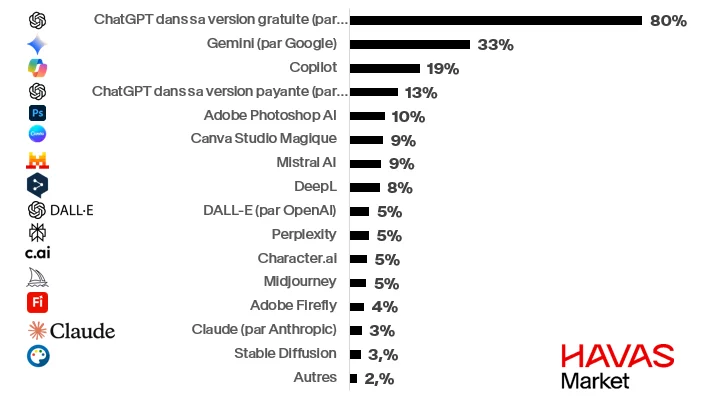
These trends reflect consumers’ growing familiarity with AI tools, while confirming that the shopping experience is becoming more conversational and immersive. This is prompting brands to rethink their interfaces and targeting strategies in order to incorporate these new interactions.
What are the ethical limits of predictive shopping?
While AI paves the way for a more seamless shopping experience, it also raises ethical questions. The massive collection of personal data to feed recommendation algorithms raises issues of transparency, consent, and privacy protection. The study reveals that 47% of French people say they are concerned about the use of their data in the context of automated commerce.
Beyond issues of surveillance, the riskof algorithmic hyper-personalization raises the concern of becoming trapped in consumer bubbles. AI could thus limit choices rather than expand them, by anticipating needs in an overly prescriptive manner. It is essential to establish an ethical and regulatory framework for these emerging practices, ensuring, in particular, the right to transparency regarding automated recommendations.
Toward a Redefinition of Customer Journeys
The rise of AI-enhanced shopping calls for a rethinking of the retail value chain. For brands, this means integrating technologies capable of capturing purchase intent in real time, predicting preferences, and personalizing the entire customer experience. AI-powered visualization tools (virtual try-on, augmented reality product placement) and conversational engines capable of continuously refining customer needs are at the heart of this transformation6.
At the same time, e-commerce players are investing heavily in internal algorithmic infrastructure or in partnerships with major providers of generative AI (OpenAI, Google, Mistral, etc.) to remain competitive.
What does the future hold for augmented commerce?
Artificial intelligence is emerging as a catalyst for innovation in consumer behavior. A study by Havas Market reveals a genuine desire among French consumers for a faster, more personalized, and more seamless shopping experience. However, this trend requires companies to adapt not only their tools but also their principles of design, communication, and digital governance.
There are many possible future scenarios: the widespread adoption of voice and multimodal interfaces, greater autonomy for virtual shopping assistants, or predictive inventory management based on user profiles. But as these systems become more sophisticated, a central question arises: how can we preserve critical thinking, diversity of choice, and consumer autonomy in an environment increasingly driven by algorithmic optimization?
This future of augmented commerce, caught between technological efficiency and ethical demands, will not be shaped solely in the R&D departments of tech giants, but also through collective decisions about what we expect from the act of purchasing in the age of artificial intelligence.
References
1. Havas Market. (2025). “Augmented Shopping” Study – French Consumers’ Use of AI.
https://www.havasmarket.com
2. Le Journal du Net. (2024). 72% of French people want AI that simplifies their shopping experience.
https://www.journaldunet.com/intelligence-artificielle/1528179-l-ia-dans-l-experience-client-en-2024-marques-et-consommateurs-sont-ils-alignes/